
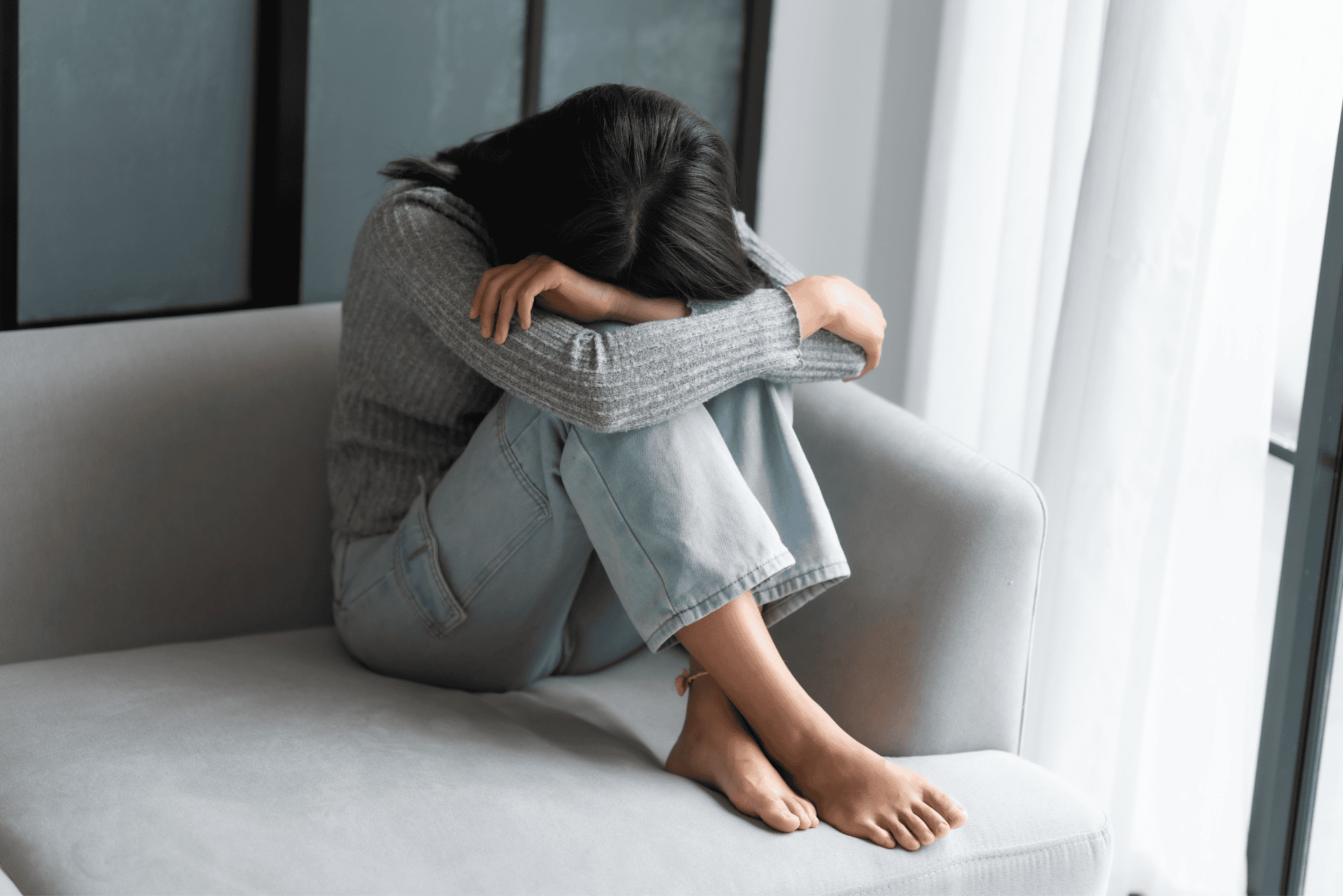
When life gets overwhelming, many people start looking for alternatives to alcohol for anxiety without fully realizing how deeply alcohol affects the body and mind. You might wonder if drinking alcohol actually helps take the edge off, especially after a long day. At first, it can feel like it does. Alcohol slows the central nervous system, creating a temporary sense of calm and relaxation. But this relief is short-lived. As your body processes alcohol, your brain chemistry shifts, often leading to increased anxiety, irritability, and disrupted sleep. Over time, this cycle can contribute to alcohol abuse, making it harder to manage stress, regulate emotions, and maintain overall mental health.
Breaking that cycle is not something you have to figure out on your own. At Kentucky Addiction Treatment, support is rooted in understanding what individuals and families are actually going through, not just the surface-level behaviors. For those exploring alternatives to alcohol for anxiety or feeling stuck in patterns of excessive drinking, having the right support system can make all the difference. Whether you’re navigating anxiety, supporting a loved one, or simply feeling unsure about your next step, there are compassionate options available through a Kentucky alcohol addiction treatment center that focus on guidance, connection, and long-term healing in a non-judgmental way.
Alternatives to drinking alcohol when you’re feeling anxious
If you’ve been using alcohol as a way to unwind, it can be hard to know what to reach for instead. One common misconception is that alcohol is the only way to relax after a long day. In reality, the negative effects of regular alcohol use often build quietly, making stress, sleep, and anxiety harder to manage over time. Replacing that habit isn’t about restriction. It’s about finding an alcohol substitute that actually supports how you want to feel.
Think of this shift as creating a natural pause button in your routine. Instead of reacting automatically, you give yourself space to choose something that helps your body reset and cope without alcohol. Whether it’s a calming drink, a short routine, or a grounding habit, these small changes can help you step out of the cycle and build a healthier way to unwind that lasts beyond the moment.
Non-alcoholic drinks (store-bought)
Non-alcoholic beers, wines, and ready-made mocktails have come a long way. These options are designed to closely mimic the taste and experience of traditional alcoholic drinks, which can make the transition feel much more natural. If you’re used to pouring a glass of wine at night or cracking open a beer, this can be one of the easiest swaps. You still get the flavor and the ritual, just without the alcohol affecting your body or sleep.
Homemade mocktails
If you like something a little more customizable, homemade mocktails are a great option. You can keep it simple with sparkling water, fresh citrus, and herbs like mint or basil, or get creative with different juice combinations. The act of making your own drink can actually become part of your wind-down routine. It gives you something to look forward to while still supporting hydration and overall wellness.
Calming teas
Herbal teas are one of the most underrated ways to relax. Options like chamomile, peppermint, and lemon balm are known for their calming properties and can help your body naturally shift into rest mode. Drinking tea in the evening can feel just as comforting as a nightcap, especially when you make it part of a consistent routine. Over time, your body starts to associate it with slowing down and getting ready for sleep.
Functional beverages
Functional beverages are becoming more popular for a reason. These drinks are often made with ingredients that support mood, hydration, and even stress relief, without relying on alcohol or high sugar content. Some include adaptogens or other natural compounds that help your body manage stress more effectively. They’re a great option if you’re looking for something that not only replaces alcohol but also supports how you feel.
Deep breathing techniques to calm the nervous system
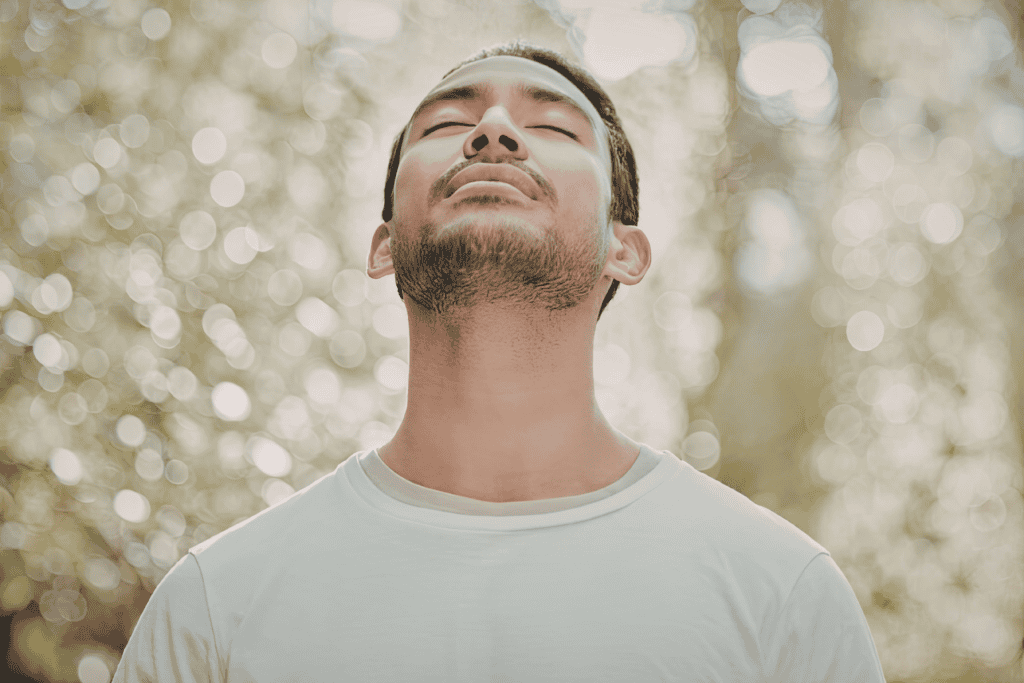
Sometimes the fastest way to calm anxiety is through your breath. Deep breathing techniques help regulate your heart rate and signal your body that it is safe to relax.
Try this simple approach:
- Inhale slowly through your nose
- Pause briefly
- Exhale fully and slowly release tension in your body
Even taking a few deep breaths can help you step out of a stress response and reconnect with the present moment. This is a simple but powerful tool you can use anywhere.
Progressive muscle relaxation to relieve muscle tension
Stress often lives in the body, not just the mind. Progressive muscle relaxation helps you become aware of where you’re holding tension and provides a way to intentionally relieve it.
Move through your body step by step:
- Gently tense a muscle group
- Hold for a few seconds, then slowly release
This process helps reset your body and reduce the physical strain that builds up throughout the day. Over time, it becomes a reliable way to unwind without turning to alcohol.
How alcohol influences anxiety
At first glance, drinking alcohol can seem like an easy way to relax. The first few sips may slow your thoughts and create a temporary sense of calm. But unlike alcohol’s short-term effects, the long-term impact tells a very different story. Alcohol disrupts the balance of your nervous system, leading to increased stress, heightened anxiety, and difficulty managing emotions once it leaves your system.
Regular or excessive drinking can actually rewire how your brain responds to stress. As alcohol wears off, your body often experiences a rebound effect, where anxiety comes back stronger than before. This can lead to a cycle of alcohol use disorder, where individuals rely on alcohol just to feel normal.
Alcohol also interferes with sleep, blood flow, and the body’s ability to recover from daily stress. Poor sleep alone can intensify negative emotions, making it harder to cope the next day. Over time, this pattern increases both emotional and physical strain, reinforcing the need for alternatives to alcohol for anxiety that support real healing.
Instead of relying on temporary relief, learning to use healthy coping skills like deep breathing techniques, progressive muscle relaxation, and mindfulness can help regulate your body and reduce anxiety in a sustainable way. These approaches work with your body, not against it, allowing you to gradually reduce stress, release muscle tension, and feel more grounded without the harmful effects of alcohol.
When to seek professional help
Sometimes, practicing deep breathing techniques or trying different alternatives to alcohol for anxiety is not enough, and you may be wondering if you need help for an alcohol addiction. If drinking alcohol starts to feel necessary just to get through the day or manage your emotions, it may be time to pause and take a closer look. Living in a constant cycle of stress, anxiety, and alcohol use can take a toll on both your mental health and physical well-being. You don’t have to carry that weight alone, and asking for help is not a failure. It’s a step toward real relief.
When your current coping strategies are no longer working, or your support system feels stretched thin, professional guidance can make a meaningful difference. At Kentucky Addiction Treatment, support is centered around understanding your experience in a non-judgmental way and helping you find a path forward that actually feels manageable. Whether you’re navigating anxiety, alcohol use disorder, or both, having the right support can help you rebuild stability and confidence over time.
Ways to find support through Kentucky Addiction Treatment
- Rehabs in Kentucky can provide a structured environment where you can step away from daily stressors and focus on recovery
- Detox in Kentucky offers a safe starting point for those experiencing physical dependence on alcohol or other substances
- Inpatient drug rehab in Kentucky creates space for deeper healing with consistent support and guidance
- IOP Kentucky and flexible care options help you continue recovery while staying connected to your daily life
- Dual diagnosis treatment centers in Kentucky support individuals managing both anxiety and substance use at the same time
Reaching out does not mean you have everything figured out. It simply means you are open to support. With the right guidance and a strong foundation, it is possible to move away from patterns that no longer serve you and toward a healthier, more balanced life.
Finding real relief from anxiety starts with the right support
Breaking the cycle of drinking alcohol to cope with anxiety is not about willpower alone. It’s about having the right tools, the right environment, and the right people around you. A structured approach to alcohol addiction treatment allows you to move beyond short-term fixes and begin building healthy coping skills that support your mental health in the long term. For many people, this means addressing both anxiety and alcohol use disorder at the same time, not separately. When both are understood together, real progress becomes possible.
At Kentucky Addiction Treatment, you’re not expected to have all the answers before reaching out. Whether you’re exploring alternatives to alcohol for anxiety, supporting a loved one, or feeling stuck in patterns that no longer serve you, there is a path forward. You can call (888) 771-8718 to speak with someone who understands what you’re going through, or fill out our confidential contact form to connect in a way that feels comfortable. If you’ve had an experience with our team, sharing your thoughts through a Google review also helps others find support in a non-judgmental way. When you’re ready, rehabs in Kentucky can offer a place to reset, rebuild, and move toward a healthier, more balanced life.
FAQ
Yes, alcohol abuse can significantly worsen anxiety over time. While drinking may feel calming in the moment, it disrupts your nervous system and increases stress hormones once it wears off. This creates a cycle where anxiety returns stronger, negative thoughts project louder, and addictive substances become more appealing to calm the noise, often leading to repeated drinking. Over time, this pattern can negatively impact both your mental health and physical well-being, making it harder to manage stress without alcohol. This highlights the need to find alternatives to alcohol for anxiety when choosing it to help with symptoms.
Choosing alcohol free alternatives can have powerful long-term benefits for both your mind and body. Unlike alcohol, which disrupts sleep and mood, healthier options support emotional balance, better rest, and improved focus. Many people notice more stable energy levels, reduced anxiety, and clearer thinking when they move away from alcohol and adopt more supportive daily habits.
Practicing mindfulness is a simple but effective way to manage anxiety. Techniques based on the five senses help ground you in the present moment by focusing on what you can see, hear, touch, taste, and smell. Mindfulness teaches your brain to slow down and step away from overwhelming thoughts. This approach can create a natural sense of calm without relying on alcohol or other external coping mechanisms. Turning to alternatives to alcohol for anxiety symptoms can help to improve all aspects of one’s life.
Yes, exercise is one of the most effective ways to relieve stress and improve mood. Physical movement increases blood flow, releases endorphins, and helps regulate the body’s stress response. Even light activity like walking can produce positive effects, making it easier to manage anxiety and reduce the urge to rely on alcohol as a coping tool. Finding healthy alternatives to alcohol for anxiety support can help to improve one’s overall mental health and well-being.
For some individuals, taking medication can be an important part of managing anxiety and alcohol use disorder. Medications, when prescribed and monitored by a healthcare provider, can help stabilize mood, reduce cravings, and support recovery. This approach is often most effective when combined with therapy, lifestyle changes, and a strong support system, especially in challenging social situations where triggers may be present.
Sources
- National Institutes of Health. (January 24, 2006). Cortisol secretion patterns in addiction and addiction risk. PubMed Central.
- National Institute on Alcohol Abuse and Alcoholism. (May 9, 2023). Alcohol and Other Substance Use To Cope With Social Anxiety. NIAAA.
- National Institutes of Health. Mindfulness-Based Interventions for Anxiety and Depression. PubMed Central.
- Harvard Health Publishing. (February 2, 2022). Six relaxation techniques to reduce stress. Harvard Medical School.
- National Institutes of Health. (November 1, 2003). Social Anxiety Disorder and Alcohol Use Disorder Comorbidity. PubMed Central.
- Centers for Medicare & Medicaid Services. Kentucky State Plan Amendment (SPA) KY 21-002. Medicaid.gov.