
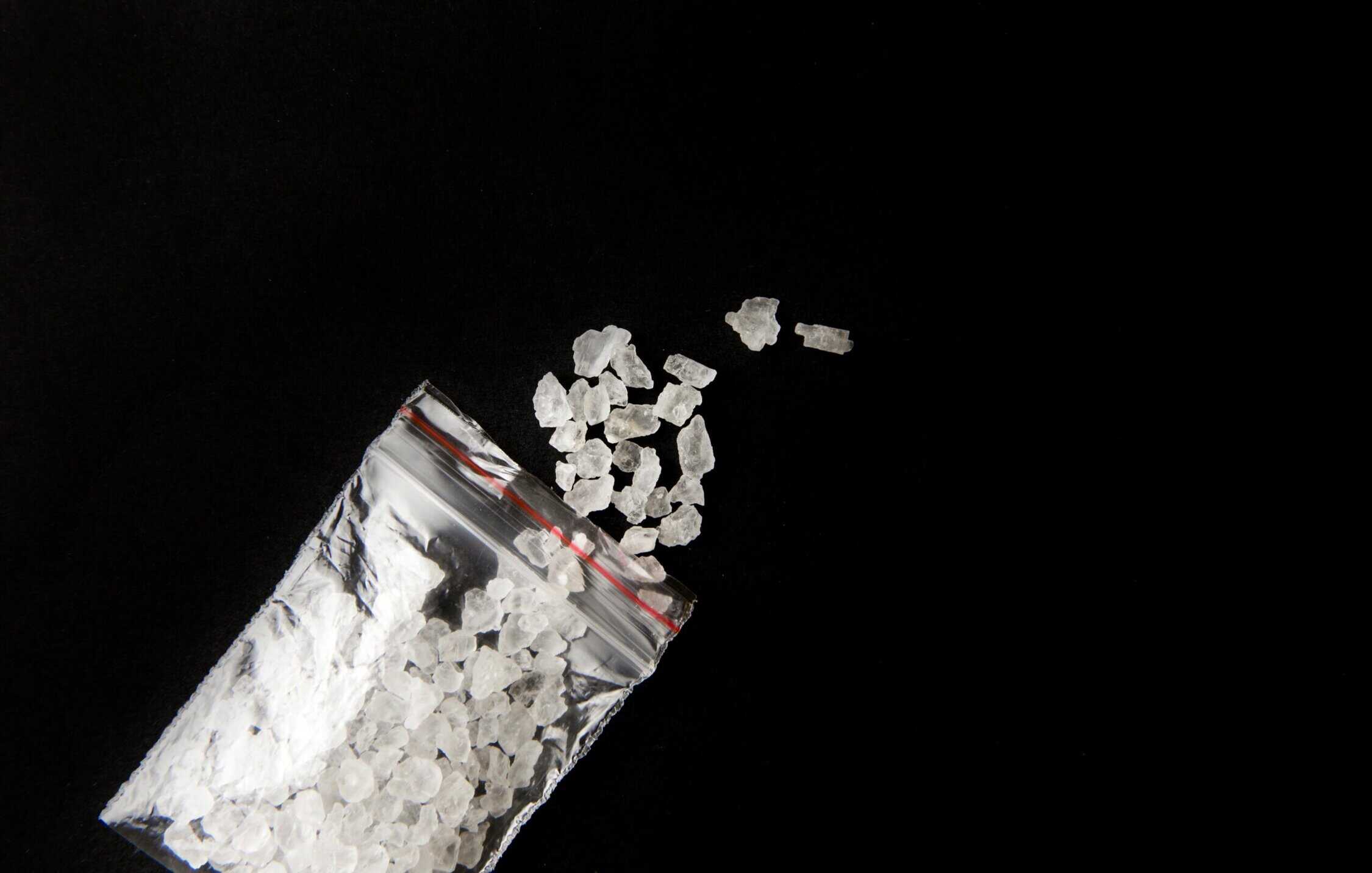
Methamphetamine, often called meth, crystal, or ice, is a powerful drug that can quickly take hold of a person’s life. If you’re watching someone you care about struggle with its effects, or if you’re facing it yourself, you might feel lost, scared, and completely overwhelmed. Please know, you’re not alone in this. Understanding the effects of methamphetamine is the first step toward finding a path forward. The journey to recovery is real, and it starts with having clear, honest information and a hand to hold along the way.
What is meth?
Methamphetamine is a powerful and highly addictive central nervous system stimulant. The vast majority of meth is made and sold illegally. This illicit crystal meth comes in the form of a white, odorless, bitter-tasting powder or shiny “ice” like crystals. It can be smoked, snorted, injected, or taken orally.
It’s made in dangerous, illegal labs using a toxic mix of chemicals, which means its purity and strength are always unpredictable. The way someone uses methamphetamine affects how quickly they feel its impact. Smoking or injecting provides a rapid, intense rush, while snorting or swallowing results in a longer-lasting high. Regardless of the method, all forms of use come with serious health risks and a high potential for addiction. Because of its potency and the damage it can cause, meth is considered one of the most addictive drugs available.
Crystal meth side effects
The immediate meth side effects can feel like a double-edged sword. On one hand, people experience a powerful rush of positive feelings, but a host of negative and dangerous physical and psychological symptoms always follows these.
Many people are drawn to the initial, short-term effects, which can include:
- A sudden, intense feeling of happiness and well-being (euphoria)
- A surge of energy, confidence, and alertness
- Increased talkativeness and sociability
- Decreased appetite
However, these desired effects come at a high cost. The negative short-term symptoms are signs that the body is under immense stress. These often include:
- Dangerously high blood pressure and rapid heart rate
- Increased body temperature, which can lead to overheating
- Anxiety, confusion, and paranoia
- Disturbed sleep patterns
After the initial “rush” wears off, users experience a “crash.” This is the body’s response to being overstimulated, and it can be incredibly difficult to endure. The crash often brings overwhelming fatigue, deep depression, and intense cravings for more of the drug to escape the negative feelings. This cycle is what makes recognizing the signs your loved one needs meth treatment so important, as the crash often pushes a person deeper into addiction.
Physical symptoms
When meth use continues over time, the damage goes far beyond the initial rush and crash. The long-term effects of crystal meth are severe and can impact nearly every aspect of a person’s health and life. Chronic use puts enormous strain on the cardiovascular system, leading to a higher risk of heart attack and stroke, even in young people. It can also cause irreversible damage to vital organs like the liver and kidneys.
One of the most well-known physical signs is “meth mouth,” a condition of severe dental decay caused by a combination of dry mouth, teeth grinding, poor hygiene, and cravings for sugary drinks. Another visible effect is the appearance of skin sores. These are often caused by users picking at their skin due to the sensation of insects crawling underneath, a hallucination sometimes called “meth mites.” Beyond the physical toll, long-term use impairs judgment, which often leads to risky behaviors and an increased likelihood of contracting infectious diseases. It also leads to severe weight loss and malnutrition, as the body is depleted of essential nutrients.
Mental health disorders
There’s a strong link between long-term meth use and the development or worsening of mental health disorders. The constant cycle of highs and lows can trigger severe anxiety, deep depression, and violent mood swings. Many people who use meth are also struggling with an underlying mental health condition, which can make recovery more complex. This is known as a dual diagnosis. For treatment to be successful, it’s crucial to address both the methamphetamine use disorder and any co-occurring disorders at the same time. Understanding how mental health affects addiction is key to creating a treatment plan that supports whole-person healing and lasting recovery.
Signs and symptoms of meth abuse
If you’re worried someone you care about is using meth, it can be hard to know what to look for. The signs can be subtle at first, but they often become more obvious over time. Recognizing these symptoms is the first step toward getting help.
Physical Signs:
- Significant and rapid weight loss
- Sores or abscesses on the skin, especially from picking
- Severe dental problems, including tooth decay or loss (“meth mouth”)
- Dilated pupils and rapid eye movement
- Burn marks on fingers or lips from smoking
Psychological Signs:
- Increased anxiety, agitation, or paranoia
- Extreme mood swings, from euphoric to irritable or angry
- Hallucinations or delusions
- Unusual excitement or bursts of energy, followed by exhaustion
Behavioral Signs:
- Withdrawing from friends, family, and once-loved activities
- Secretive behavior and lying about their whereabouts or activities
- Financial problems, such as borrowing money or stealing
- Neglecting work, school, or family responsibilities
If you recognize these signs in yourself or a loved one, know that compassionate help is just a phone call away. You don’t have to navigate this alone.
How common is meth use?
Methamphetamine use is a serious issue across the U.S. According to the 2021 National Survey on Drug Use and Health, about 2.5 million people aged 12 or older reported using methamphetamine in the past year. Of those, an estimated 1.6 million people have a methamphetamine use disorder, meaning their use has become compulsive and is causing significant problems in their lives. The prevalence of meth use tends to be higher among young adults, but it affects people from all walks of life. While historically more common among certain ethnic groups, recent data show that meth use is becoming more widespread across different communities. These statistics paint a picture of a widespread problem, but they also mean that countless individuals and families are finding their way to recovery every day.
Treatment for crystal meth addiction
If you or someone you love is struggling with meth addiction, please hold on to this truth: recovery is absolutely possible. The journey isn’t easy, but with professional support and a compassionate team, a healthier, more hopeful future is within reach. The first step in treatment is often medical detox, which provides a safe and supervised environment to manage the challenging withdrawal symptoms. This process ensures you are as comfortable as possible while the drug leaves your system.
After detox, the real healing begins with evidence-based behavioral therapies. Approaches like Cognitive-Behavioral Therapy (CBT) are highly effective in helping you identify the thought patterns and behaviors that fuel addiction. You’ll learn new, healthy coping strategies to handle stress and triggers without turning to meth. Comprehensive care often involves different levels of support, from residential programs to more flexible outpatient options. Learning about the difference between a partial hospitalization vs. intensive outpatient treatment can help you find the right fit. The goal is to build a strong foundation for a life free from addiction.
Frequently asked questions
Methamphetamine use disorder can trigger anxiety, paranoia, mood swings, and in some cases, full psychosis, hearing or seeing things that aren’t there. These symptoms come from how meth affects the brain’s dopamine system, making thoughts feel scattered and emotions hard to control.
Yes. Meth side effects commonly include rapid heart rate, irregular heartbeat, and spikes in blood pressure. With long-term methamphetamine misuse, these issues can progress into serious complications such as heart attack, heart failure, or blood vessel damage.
Meth mouth refers to severe dental decay caused by dry mouth, teeth grinding, poor nutrition, and the acidic chemicals found in crystal meth. Over time, people develop broken teeth, gum disease, and infections that can spread beyond the mouth if untreated.
Methamphetamine is chemically similar to stimulant medications used to treat attention deficit hyperactivity disorder, but the effects are far more intense and dangerous. Instead of offering controlled focus, meth overwhelms the central nervous system and increases the risk of addiction, psychosis, and other severe health problems.
Taking the first step towards recovery from crystal methamphetamine today
The information about meth side effects can be frightening, but it’s important to remember that it doesn’t have to be the end of the story. While methamphetamine use has devastating consequences, effective and compassionate treatment can lead to a much better and brighter future. Hope is real, and you don’t have to go through this alone. This moment isn’t an ending; it’s the beginning of a new chapter, one where you are in control.
Understanding the effects of meth is one thing; finding the courage to act is another. But taking that first step is the most important part of the entire recovery journey. If you are ready to learn how to get help with drug addiction recovery, our team at Kentucky Addiction Treatment is here with open arms and without judgment. Please call us at (888) 771-8718 or contact us today to speak with someone who understands and can guide you toward healing. Your path to a new life can start today.
Sources
- National Institute on Drug Abuse. (11-20-2024). Methamphetamine | National Institute on Drug Abuse – nida.nih.gov. National Institute on Drug Abuse.
- National Center for Biotechnology Information. (05-01-2023). Methamphetamine – StatPearls – NCBI Bookshelf – NIH. National Center for Biotechnology Information.
- Substance Abuse and Mental Health Services Administration. (09-24-2025). Home | SAMHSA – Substance Abuse and Mental Health Services …. Substance Abuse and Mental Health Services Administration.
- Substance Abuse and Mental Health Services Administration. (11-07-2024). What are Stimulants? Side Effects, Short and Long Term Risks. Substance Abuse and Mental Health Services Administration.
- U.S. Department of Justice. (04-21-2003). Methamphetamine Fast Facts – Department of Justice. U.S. Department of Justice.
- Centers for Disease Control and Prevention. (03-27-2020). Patterns and Characteristics of Methamphetamine Use Among Adults. Centers for Disease Control and Prevention.
- Substance Abuse and Mental Health Services Administration. (10-10-2023). Results from the 2023 National Survey on Drug Use and Health. Substance Abuse and Mental Health Services Administration.
- Substance Abuse and Mental Health Services Administration. (01-01-2023). Results from the 2022 National Survey on Drug Use and Health. Substance Abuse and Mental Health Services Administration.