
Feeling like your brain is working against you can be incredibly frustrating. Whether you’re struggling with focus, anxiety, or the heavy weight of addiction, it’s easy to feel stuck in patterns you can’t seem to break. You might have tried different therapies or approaches, only to find yourself right back where you started. It’s exhausting, and it’s okay to feel that way. What if you could gently guide your brain back to a more balanced, efficient state? This is where neurofeedback therapy comes in, offering a unique and hopeful path forward by helping you work with your brain, not against it.
What is neurofeedback therapy?
At its heart, neurofeedback therapy is like a personalized workout session for your brain. It’s a non-invasive treatment that helps you learn how to regulate your own brain activity, leading to healthier patterns and improved well-being. Think of it as a form of biofeedback, where you get real-time information about what your body is doing. But instead of focusing on heart rate or muscle tension, neurofeedback tunes into the electrical signals of your brain.
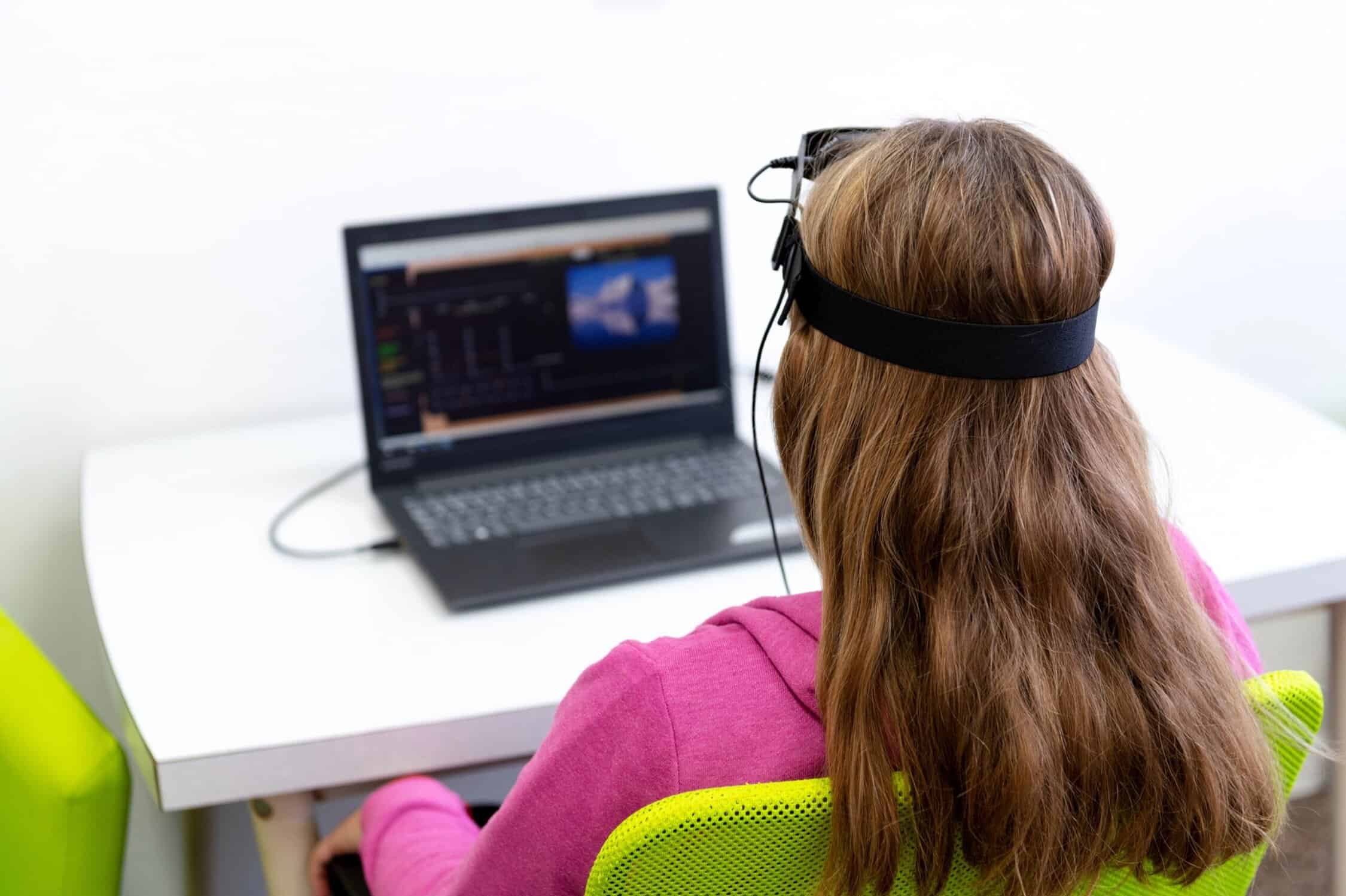
During a session, technology called an electroencephalogram (EEG) is used to monitor your brainwaves. Tiny sensors are placed on your scalp, don’t worry, it’s completely painless, to pick up this activity. This information is then shown to you in a simple, understandable way, often as a video game or sounds. When your brain produces healthier, more stable patterns, you get positive feedback, like the game moving forward or a pleasant tone playing.
This process gently encourages your brain to shift into a more optimal state. Over time, your brain learns to maintain these healthier patterns on its own, helping to improve self-regulation and address the root causes of many challenges, including the complex relationship between mental health and addiction.
How neurofeedback treatment works
It’s natural to wonder what a neurofeedback session actually feels like. Imagine settling into a comfortable chair in a calm, quiet room. A trained therapist will place a few small sensors on your scalp using a special paste. It’s a gentle process, and there’s no pain or electricity involved; the sensors only listen to your brain activity, much like a stethoscope listens to your heart.
Once you’re ready, you’ll focus on a computer screen. You might be watching a movie, playing a simple video game, or listening to music. The feedback you receive is directly tied to your brain waves. For example, if the goal is to calm an anxious mind, the movie might play clearly and smoothly whenever your brain enters a more relaxed state. If your brain shifts back into an anxious pattern, the movie might dim or the sound might fade. You don’t have to consciously try to change your brain activity; your brain learns intuitively through this immediate feedback.
This learning process is based on a principle called operant conditioning. Essentially, your brain is rewarded for producing more desirable brainwave patterns. Each time it gets that positive feedback, it’s encouraged to stay in that healthier state. Over a series of sessions, this repetition strengthens new neural pathways, making it easier for your brain to maintain focus, calm, or emotional balance in your daily life. It’s a gradual but powerful way to retrain your brain for lasting change.
Types of neurofeedback
Just as there are different types of physical exercise for different goals, there are several kinds of neurofeedback, each with a unique approach to training the brain. While they all share the core principle of using real-time feedback, they focus on different aspects of brain activity. Here are a few common types:
- Frequency/Power Band neurofeedback. This is the most traditional and widely used form. It focuses on increasing or decreasing the power of specific brainwave frequencies (like Alpha, Beta, or Theta) at certain locations on the scalp to improve regulation.
- Slow Cortical Potential (SCP) neurofeedback. This type trains you to control the slowest brain waves, which are foundational to brain excitability. It helps improve the brain’s ability to prepare for and respond to tasks, making it particularly useful for improving attention and focus.
- Low-Energy neurofeedback System (LENS). Unlike other types, LENS provides feedback through a very faint, imperceptible electromagnetic signal. This signal is thought to help “unstick” rigid, unhealthy brainwave patterns, allowing the brain to reset itself and function more flexibly.
- Z-score/LORETA neurofeedback. This is a more advanced approach that compares your brain activity to a database of “typical” brainwave patterns for someone your age. The training then guides your brain toward a more balanced and average state. LORETA (Low-Resolution Electromagnetic Tomography) can even provide feedback on activity in deeper brain structures, not just the surface.
Neurofeedback therapy benefits
While research is always evolving, neurofeedback therapy has shown significant promise for a wide range of conditions by helping the brain function more efficiently and resiliently. Many people turn to neurofeedback when other treatments haven’t provided the relief they need, or they’re looking for a non-invasive, medication-free approach to complement their existing care. The benefits are rooted in the brain’s ability to learn and adapt, a concept known as neuroplasticity. By guiding the brain toward healthier patterns, this therapy can lead to lasting improvements in how you think, feel, and behave.
Improves ADHD symptoms
For those living with ADHD, maintaining focus can feel like a constant battle. Neurofeedback offers a way to train the brain for better attention and control. It can help reduce the core symptoms of ADHD, including inattention, impulsivity, and hyperactivity. By rewarding the brain for producing brainwave patterns associated with a focused and calm state, it strengthens the neural circuits needed for sustained concentration. Over time, this can lead to better performance at school or work, improved organization, and a greater ability to follow through on tasks without feeling overwhelmed by distractions.
Reduces stress and anxiety
Anxiety and chronic stress can leave your brain stuck in a state of high alert, constantly scanning for threats. Neurofeedback can be a powerful tool for calming this overactive state. It teaches your brain how to shift out of “fight-or-flight” mode and into a more relaxed and regulated state.
Reinforcing calmer brainwave patterns helps you build resilience to stress and manage your emotional responses more effectively. Many people find that after neurofeedback training, they are less reactive to stressors and can navigate challenging situations with a greater sense of peace and control.
Helps with depression symptoms
Depression is often associated with specific patterns of brain activity, such as an imbalance known as frontal alpha asymmetry. Neurofeedback can directly target these patterns to help lift the weight of depression. By training the brain to correct this imbalance, it can lead to significant improvements in mood, motivation, and energy levels. According to a meta-analysis on the topic, biofeedback and neurofeedback are associated with a reduction in self-reported depression.
It’s not just about feeling less sad; it’s about restoring the cognitive clarity and emotional engagement that depression often takes away, allowing you to reconnect with your life and the people you care about.
How neurofeedback training helps mental health disorders
Beyond its general benefits, neurofeedback has specific clinical applications that make it a valuable part of a comprehensive treatment plan. At Kentucky Addiction Treatment, we see it as a powerful tool within a holistic approach to care, especially for individuals navigating the complexities of addiction and co-occurring mental health conditions.
By addressing the underlying brain dysregulation that often fuels these challenges, neurofeedback can help create a stable foundation for lasting recovery. It’s not a magic bullet, but when integrated with other evidence-based therapies, it can unlock new possibilities for healing.
Drug addiction
In addiction recovery, neurofeedback plays a crucial role in restoring balance to a brain that has been hijacked by substance use. It helps individuals strengthen their executive functions, such as impulse control and decision-making, which are often weakened by addiction. By training the brain to remain calm and regulated, it can significantly reduce cravings and lower the risk of relapse when faced with triggers.
For those with a dual diagnosis, where a mental health condition like anxiety or depression coexists with addiction, neurofeedback is particularly effective because it can address both issues simultaneously. Whether in our outpatient or inpatient programs, it complements therapies like CBT by making it easier for individuals to engage with and apply the coping skills they’re learning. This integrated approach supports a more resilient and sustainable path to recovery and is a key part of getting help with drug addiction.
Attention deficit/hyperactivity disorder
As a non-pharmacological intervention, neurofeedback offers a promising option for managing ADHD symptoms. It can be used as a standalone treatment or as a complement to medication, often allowing for lower doses. The goal is to help the brain learn to sustain focus and regulate behavior on its own. Many individuals, both children and adults, experience lasting improvements in their ability to concentrate, stay organized, and control impulsive actions. This can lead to greater success in academic, professional, and personal areas of life, empowering individuals to reach their full potential.
Other uses of neurofeedback
The applications of neurofeedback continue to expand as we learn more about the brain. Research has shown its potential in a variety of other areas, demonstrating its versatility as a therapeutic tool. Some other uses include:
- Pain management: It can help individuals with chronic pain by altering their perception of pain signals and reducing the brain’s hyper-reactivity.
- Learning disabilities: It may improve cognitive processing and attention, offering support for individuals with learning challenges.
- Performance enhancement: Athletes, artists, and executives use neurofeedback to achieve a state of “flow” or peak performance by optimizing brain function for focus and creativity.
- Insomnia and sleep disorders: By targeting specific brainwave patterns, it can help restore healthy sleep cycles and improve sleep quality.
Neurofeedback therapy side effects
One of the most appealing aspects of neurofeedback therapy is its strong safety profile. Because it’s a non-invasive process that simply reads and reflects your brain’s own activity, the risks are very low. Most people complete their training with no issues at all. However, like any form of exercise, brain training can sometimes lead to temporary side effects as your brain adjusts to new ways of functioning. It’s important to have an open conversation with your provider about what to expect.
The most common side effects are mild and short-lived. These can include:
- Fatigue: Feeling tired after a session is the most common side effect. Your brain is working hard, and just like your muscles after a gym workout, it needs time to rest and recover.
- Headaches or lightheadedness: Some people may experience a mild headache as their brain adapts to new patterns, but this usually fades quickly.
- Temporary anxiety or irritability: As your brain shifts its patterns, you might briefly feel a bit unsettled or emotionally sensitive. This is often a sign that the training is having an effect and typically resolves within a day.
Working with a skilled and experienced practitioner is the best way to minimize any discomfort. A qualified therapist will carefully monitor your progress and can adjust the training protocols to ensure the process is as smooth and comfortable as possible. Open communication is key, so always let your provider know how you’re feeling after each session.
Frequently asked questions
Coverage for neurofeedback therapy can vary quite a bit between insurance providers and plans. Some companies may cover it for specific, well-documented conditions like ADHD, while others might view it as an experimental treatment.
The best first step is to call your insurance company directly to ask about your specific benefits. Our team can also help you navigate this process and understand any potential out-of-pocket costs before you begin treatment.
The number of sessions needed really depends on your personal goals and the specific challenges you’re addressing. While some people notice improvements in focus or a sense of calm after just a few sessions, lasting change often requires more time.
A typical treatment plan might involve 20 to 40 sessions. Consistency is the most important factor, as the training allows your brain to learn and reinforce new, healthier patterns over time. Your therapist will track your progress and adjust the plan as needed.
The goal of neurofeedback is to create lasting changes in your brain’s activity. Since the process is a form of learning, the new, more effective brainwave patterns can be very durable, much like learning to ride a bike.
For many people, the results are long-lasting. However, life events like significant stress or trauma can impact brain function. Some individuals find that occasional “booster” sessions down the road can be helpful to maintain their progress.
Is neurofeedback therapy right for you?
Deciding to start a new therapy is a significant step, and it’s natural to wonder if neurofeedback is the right choice for your journey. This non-invasive approach offers a hopeful path for those looking to address challenges at their neurological roots, making it a powerful tool for addiction recovery and mental health. If you feel stuck in patterns of anxiety, distraction, or cravings and are looking for a way to create lasting change, neurofeedback could be a valuable part of your treatment plan. It works best when you are committed to the process, as it typically requires a series of sessions to achieve the best results.
Ultimately, neurofeedback therapy offers a way to retrain your brain, empowering you to move beyond old limitations and build a healthier, more resilient mind. If you’re ready to explore how this innovative treatment can fit into your recovery, we’re here to help. Taking the first step can feel daunting, but you don’t have to do it alone. The compassionate team at Kentucky Addiction Treatment is here to answer your questions and help you find the right path forward. To learn more or schedule a consultation, please contact us. Your journey to a more balanced life can start today.
Sources
- Arns, M., Heine, M., & Hees, P. (01-06-2010). Neurofeedback: A Comprehensive Review on System Design, Methodology and Clinical Applications. Basic and Clinical Neuroscience, 2(2), 75–99.
- Substance Abuse and Mental Health Services Administration (SAMHSA). (2023). TIP 65: Counseling Approaches to Promote Recovery From Problematic Substance Use and Addictive Behaviors. Substance Abuse and Mental Health Services Administration (SAMHSA).
- Sokhadze, E. M., Stewart, C. M., Howell, S., et al. (01-24-2008). EEG Biofeedback as a Treatment for Substance Use Disorders: A Systematic Review. Journal of Neurotherapy, 12(2), 79–96.
- Marzbani, H., Marateb, H. R., Mansourian, M., & Gautam, A. (01-01-2019). Review of the Therapeutic Neurofeedback Method Using Electroencephalography in Addiction Diseases. Basic and Clinical Neuroscience, 10(4), 307–324.
- Louisiana Department of Health. (2022). Clinical Policy: Neurofeedback for Behavioral Health Disorders. Louisiana Department of Health.
- Jeunet, C., Muthukumaraswamy, S., & Vanhoutte, E. (02-22-2017). EEG-Neurofeedback as a Tool to Modulate Cognition and Behavior: A Review Tutorial. Frontiers in Human Neuroscience, 11, 51.
- Kober, S. E., Schweiger, D., Reichert, J. L., et al. (02-14-2018). Sustained Effects of Neurofeedback in ADHD: A Systematic Review and Meta-Analysis. European Child & Adolescent Psychiatry, 28(3), 293–305.
- Young, S., & Blinder, H. (11-04-2019). Neurofeedback Treatment on Depressive Symptoms and Functional Connectivity in Treatment-Resistant Depression. Journal of Clinical Psychopharmacology, 39(6), 616–623.
- Goessl, V. C., Curtiss, J. E., & Hofmann, S. G. (11-15-2021). Efficacy of Bio- and Neurofeedback for Depression: A Meta-Analysis. Neuroscience & Biobehavioral Reviews, 132, 285–294.
- Choi, S. W., Chi, S. E., & Park, S. H. (10-28-2021). Efficacy Evaluation of Neurofeedback-Based Anxiety Relief. Journal of Medical Internet Research, 23(10), e25730.
- National Center for Biotechnology Information. (11-13-2017). Neurofeedback and Biofeedback for Mood and Anxiety Disorders. National Center for Biotechnology Information.
- Wang, Y., Li, Y., & Wang, Y. (08-12-2025). Effect of EEG Neurofeedback Therapy on Addiction Disorders: A Systematic Review. Addiction Biology, 30(8), e70055.
- Pletzer, B. A., & Wolf, R. C. (06-15-2022). Infralow Neurofeedback in the Treatment of Substance Use Disorders. Frontiers in Psychiatry, 13, 934211.
- Mohammadi, M. R., & Mostafavi, S. A. (09-14-2022). Neurofeedback for the Education of Children with ADHD and Learning Disabilities. Iranian Journal of Psychiatry, 17(3), 123–134.
- Escolano, C., Navarro-Gil, R. M., & Roca, J. (07-20-2021). Effects of Neurofeedback on the Working Memory of Children with Specific Learning Disorder. Frontiers in Psychology, 12, 683245.
- Perez-Toledo, M., & Vergara-Pedrero, M. (08-04-2025). Neurofeedback for ADHD: Exploring the Role of Quantitative EEG in Treatment Personalization. CNS Neuroscience & Therapeutics, 31(8), e70064.
- Ros, T., Michela, A., Bellomo, M., et al. (11-11-2020). A Systematic Review of fMRI Neurofeedback Reporting and Effects in Psychiatry. Frontiers in Psychiatry, 11, 602605.
- Reginia, A., et al. (09-21-2023). Neurofeedback for Post-Traumatic Stress Disorder: Systematic Review and Meta-Analysis. Psychiatry Research, 328, 115423.
- Rieger, K., et al. (12-02-2021). Editorial: Clinical Neurofeedback. Frontiers in Psychiatry, 12, 942143.
- Kober, S. E., et al. (07-30-2025). ILF-Neurofeedback in Clinical Practice: Examining Symptom Change Across Diagnostic Groups. Frontiers in Human Neuroscience, 19, 1234366.
- Loo, S. K., & Makeig, S. (07-16-2020). Neurofeedback for Pain Management: A Systematic Review. Journal of Clinical Psychology in Medical Settings, 27(3), 567–582.
- Kouijzer, K., et al. (01-13-2023). Review of EEG-Based Neurofeedback as a Therapeutic Intervention to Treat Depression. Frontiers in Human Neuroscience, 16, 983723.
- ClinicalTrials.gov. (09-17-2014). Double-Blind 2-Site Randomized Clinical Trial of Neurofeedback for ADHD. National Library of Medicine.
- ClinicalTrials.gov. (10-26-2023). Ketamine and Neurofeedback-Training: Effects on Neuroplasticity in Depression. National Library of Medicine.
- National Center for Biotechnology Information. (01-29-2008). Risk Factors for Alcohol and Other Drug Use by Healthcare Professionals. Substance Abuse Treatment, Prevention, and Policy, 3, 4.
- Substance Abuse and Mental Health Services Administration (SAMHSA). (05-18-2015). Bringing Together Addiction Treatment Counselors, Clients, and Communities. Substance Abuse and Mental Health Services Administration (SAMHSA).
- Hammond, D. C. (09-25-2015). Transient Adverse Side Effects During Neurofeedback Training. Journal of Neurotherapy, 19(3), 123–132.
- Hammer, B. W., et al. (11-23-2024). Long-Term Effects of Neurofeedback and Hyperbaric Oxygen Therapy in Traumatic Brain Injury. Frontiers in Neurology, 15, 1166629.
- Zuberer, A., Minder, F., Brandeis, D., & Drechsler, R. (09-30-2022). Evaluation of Neurofeedback Learning in Patients with ADHD. Frontiers in Human Neuroscience, 16, 990864.