
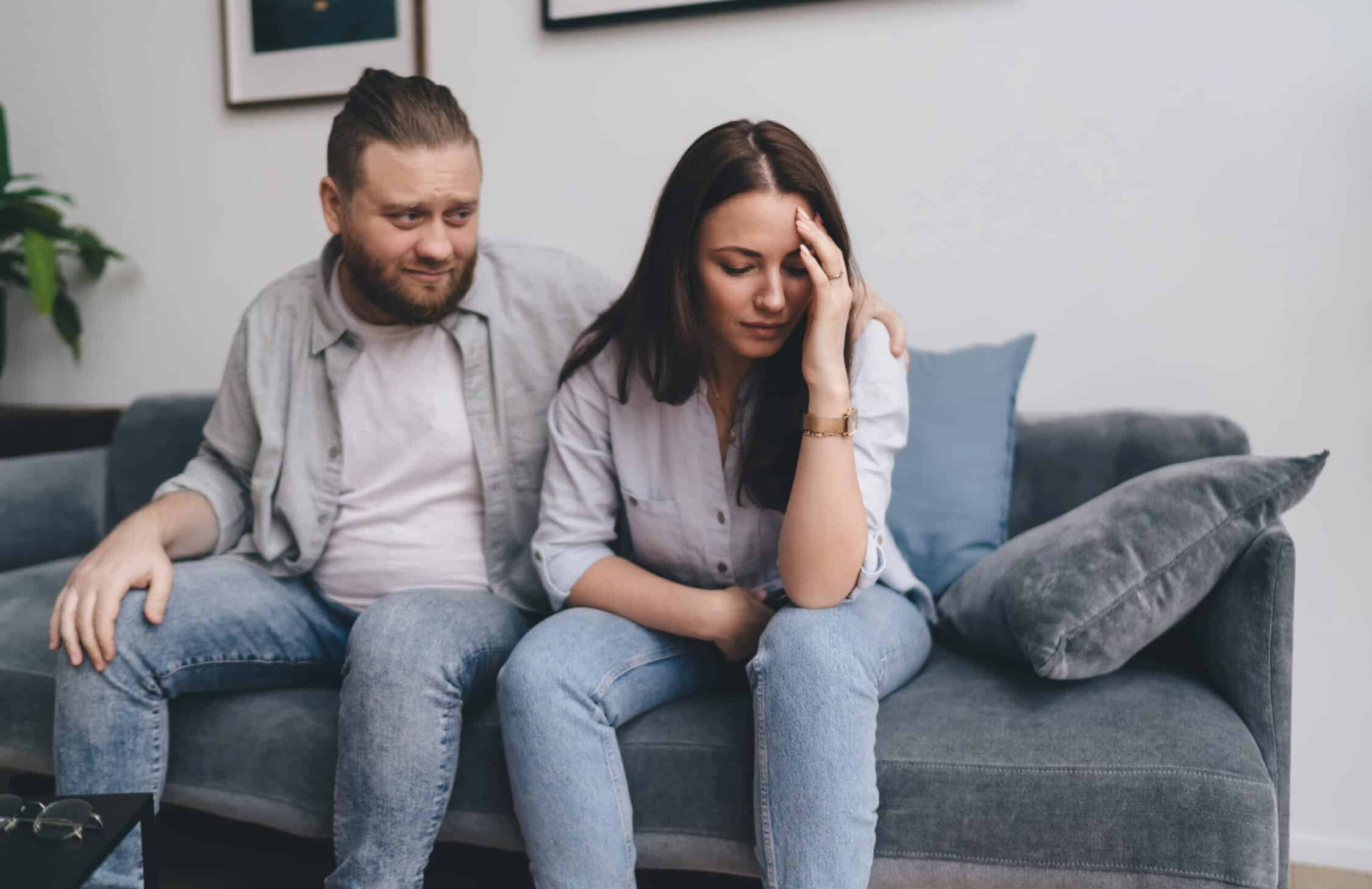
Do you ever catch yourself replaying a partner’s words late into the night, searching for hidden meanings or quietly bracing for something to go wrong even when things seem fine? Maybe you find yourself asking for reassurance, only to feel relief slip through your fingers. These patterns have a name, relationship anxiety, and they can keep you on edge, tangled up in uncertainty. The good news is that by understanding where these worries come from, and with the right support, you can learn new ways to feel safer and more connected in your relationships.
Therapists for relationship anxiety: identifying signs and causes
Relationship anxiety is more than just a case of the butterflies before a first date. It’s a persistent pattern of worry, doubt, and insecurity that settles into a romantic relationship, even when there’s no clear reason for it. While it’s normal to have occasional concerns about a partner or the future, relationship anxiety feels different. It’s a chronic hum of anxious feelings that can linger long after a specific issue has passed, making it hard to relax and enjoy the connection you have.
These feelings aren’t just in your head; they are a valid emotional experience. For many, it feels like waiting for the other shoe to drop. You might constantly second-guess your partner’s feelings, over-analyze their texts, or live with a quiet, nagging fear of abandonment. Unlike generalized anxiety, which casts a wide net over many areas of life, relationship anxiety focuses its intense energy specifically on your partnership.
While not a formal clinical diagnosis on its own, it shares features with recognized anxiety disorders, which affect an estimated 19.1% of U.S. adults each year. These persistent doubts and insecurities can interfere with your daily life and strain the bond between you and your partner.
How to overcome relationship anxiety with a therapist
Navigating relationship anxiety can feel overwhelming, but you don’t have to carry that weight alone. While self-help tools are useful, the most effective way to create lasting change is by working with therapists for relationship anxiety. Healing is a journey, and having a professional guide ensures you aren’t just managing symptoms but actually addressing the root causes of your insecurity.
Addressing the intersection of anxiety and substance use
Professional support is especially vital when anxiety and substance use are intertwined. Often, alcohol or drugs are used as a way to numb the “noise” of relationship worries. A therapist in a dual diagnosis program can help you address both issues together, ensuring that unhealthy coping mechanisms don’t undermine your path to a secure relationship.
Rewiring the anxious brain with CBT
One of the primary tools used by therapists for relationship anxiety is cognitive behavioral therapy (CBT). This approach helps you identify “cognitive distortions,” those irrational, automatic thoughts that tell you a partner is losing interest or that you aren’t enough. By working with a therapist, you can learn to challenge these thoughts with evidence, eventually rewiring your brain to react with logic rather than panic.
Understanding and healing your attachment style
Many therapists use attachment theory to explore your “inner blueprint” for love. If you find yourself constantly seeking reassurance or fearing abandonment, you may have an anxious attachment style. A therapist provides a safe space to explore how your early life experiences influenced these patterns, helping you move toward a “secure attachment” where you feel safe and independent.
Processing past trauma to protect future connections
Relationship anxiety is often a “ghost” from a past hurt. Whether it’s a difficult childhood or a previous heartbreak, these experiences can bleed into your current partnership. Therapy allows you to process this trauma in a controlled environment so that past wounds stop dictating your current reactions. This emotional “clearing” is essential for building the self-worth required for a healthy bond.
Mastering healthy communication and boundaries
Finally, a therapist acts as a coach for your communication skills. You will learn how to express your needs and fears using “I” statements, which foster connection rather than defensiveness. Instead of reacting out of an anxious spike, you’ll gain the tools to have calm, honest conversations that actually bring you closer to your partner.
Symptoms of relationship anxiety
Recognizing relationship anxiety is the first step toward managing it. These feelings often show up in our thoughts, emotions, and even physical sensations. If you’re wondering whether your worries are a sign of something more, see if any of these common symptoms resonate with you.
- Constantly seeking reassurance. You find yourself repeatedly asking your partner if they love you, if they’re happy, or if everything is okay, but the comfort you get is always temporary.
- Over-analyzing your partner’s behavior. A short text message, a change in tone, or a quiet mood can send you into a spiral of worry, trying to figure out what you did wrong.
- Fearing your partner will leave. There’s a persistent, underlying fear of abandonment that doesn’t match the reality of your relationship. This can make you hesitant to bring up issues or express your true feelings.
- Downplaying your own needs. You might avoid conflict at all costs, often by silencing your own needs or desires to keep your partner happy and prevent them from leaving.
- Questioning your compatibility. Even when things are going well, you might find yourself dwelling on small differences and wondering if you’re truly right for each other.
- Physical symptoms of anxiety. The worry can take a physical toll, leading to an upset stomach, tense muscles, difficulty sleeping, or a racing heart when thinking about your relationship. Learning about how anxiety affects the body can provide more insight into these physical signs.
Exploring the root causes of relationship anxiety
If you’re asking yourself, “Why am I so anxious in relationships?” please know you’re not alone, and your feelings don’t come from nowhere. Relationship anxiety is often rooted in our past experiences and the core beliefs we formed about ourselves and others along the way. Understanding these deeper causes is a powerful step toward healing because it helps us connect our present-day feelings to their origins.
Attachment style
From our very first moments, our relationships with caregivers teach us what to expect from others. This early template is known as our attachment style. If a caregiver was consistently available and responsive, we tend to develop a secure attachment, feeling safe and confident in relationships. However, if care was inconsistent or unreliable, an anxious attachment style can form. This can lead to a deep-seated fear of abandonment and a constant need for validation in adult relationships, as we try to heal old attachment issues through our current partner.
Past experiences
Our hearts remember. Past traumatic experiences, like being cheated on, a painful breakup, or growing up in a home with unstable relationships, can leave lasting scars. These events can create a blueprint of anxiety for future connections, teaching us to be hyper-vigilant for signs of trouble. It’s a protective mechanism that has outstayed its welcome, causing us to see potential threats even where none exist. These unhealthy relationships from the past can make it incredibly difficult to trust that a new partner and a new connection can be different.
Low self-esteem
At its core, relationship anxiety is often tied to how we see ourselves. When we struggle with low self-esteem, it can be hard to believe that someone could genuinely love and value us. This self-doubt fuels insecurities, causing us to constantly question our partner’s feelings and commitment. We might misinterpret neutral actions as signs of rejection or disapproval simply because we don’t feel worthy of love. Addressing low self-esteem and its impact on behavior is often a key part of finding peace in a relationship.
Frequently asked questions
While relationship anxiety may not disappear forever, you can learn to manage it so effectively that it no longer controls your life. Think of it less as a cure and more as building skills to navigate the anxious feelings when they arise.
Through therapy and consistent practice of coping strategies, you can reduce the intensity and frequency of these worries. The goal is to feel more secure and present in your relationship, trusting yourself and your partner more over time.
This is a common and confusing question for many people. Relationship anxiety often creates persistent doubts that can make you question your own feelings, even when you genuinely care for your partner. It can feel like your mind is looking for problems as a form of self-protection.
Try to notice if your doubts are vague and constant, which often points to anxiety, or if they are tied to specific, concrete issues with compatibility. A therapist can help you untangle these feelings and gain clarity.
Only a qualified mental health professional can diagnose Relationship OCD (ROCD). However, ROCD is generally more intense than typical relationship anxiety. It is a form of obsessive-compulsive disorder where a person experiences intrusive, unwanted thoughts and doubts about their relationship.
These obsessions often lead to compulsions, like constantly seeking reassurance, comparing your partner to others, or mentally replaying conversations. If these patterns feel uncontrollable and cause significant distress, speaking with a therapist is an important next step.
In a typical therapy session, you’ll talk with a therapist in a safe and confidential space. You won’t be forced to talk about anything you’re not ready for. The conversation might focus on your current feelings, recent challenges in your relationship, or past experiences contributing to your anxiety.
Your therapist will listen without judgment and help you gain insight into your patterns. They’ll also teach you practical skills, like new ways to manage anxious thoughts or improve communication with your partner. It’s a collaborative process focused on your healing.
Finding the right therapist is a key step. Start by looking for professionals who specialize in relationship anxiety, attachment theory, or couples counseling. You can often find this information on their websites or in online directories. It’s also important to check that they are licensed to practice in your state.
Don’t be afraid to schedule a brief consultation call with a few potential therapists. This gives you a chance to ask questions and see if their personality and approach feel like a good fit. Trusting your gut feeling is important.
Finding therapists for relationship anxiety near you
Living with relationship anxiety is exhausting, but you don’t have to navigate it alone. Recognizing the signs in yourself is a brave and hopeful first step toward change. By understanding that these feelings often stem from past experiences, attachment styles, or low self-esteem, you can begin to approach yourself and your relationships with more compassion. With the right coping strategies and professional support, you can learn to manage these anxious thoughts and build the secure, healthy connections you deserve.
Taking that next step toward emotional recovery can feel daunting, but it opens the door to healthier, more fulfilling relationships. If you’re ready to explore therapists for relationship anxiety, please contact us to learn more. At Kentucky Addiction Treatment, we’re here to support you on your journey to healing.
Sources
- National Institute of Mental Health. (01-01-2019). Any anxiety disorder. National Institute of Mental Health.
- PubMed Central. (10-01-2004). Anxiety disorders and intimate relationships: A study of daily processes in couples. National Institutes of Health.
- Bowling Green State University. (05-11-2020). Sources of anxiety in emerging adult relationships. Bowling Green State University.
- PubMed Central. (05-15-2017). Does adult attachment style mediate the relationship between childhood maltreatment and mental health?. National Institutes of Health.
- University of Illinois. (01-01-2018). A brief overview of adult attachment theory and research. University of Illinois.
- Brigham Young University. (04-15-2025). The psychological effects of childhood trauma on adult relationships. Brigham Young University.
- PubMed Central. (04-03-2023). Are you tired of “us?” Accuracy and bias in couples’ perceptions of their partners’ romantic disengagement. National Institutes of Health.
- University of Rochester Medical Center. (04-10-2018). 5-4-3-2-1 coping technique for anxiety. University of Rochester Medical Center.
- PubMed Central. (06-17-2021). Cognitive-behavioral treatments for anxiety and stress-related disorders. National Institutes of Health.
- SAMHSA. (09-24-2025). Home | SAMHSA – Substance Abuse and Mental Health Services Administration. SAMHSA.