
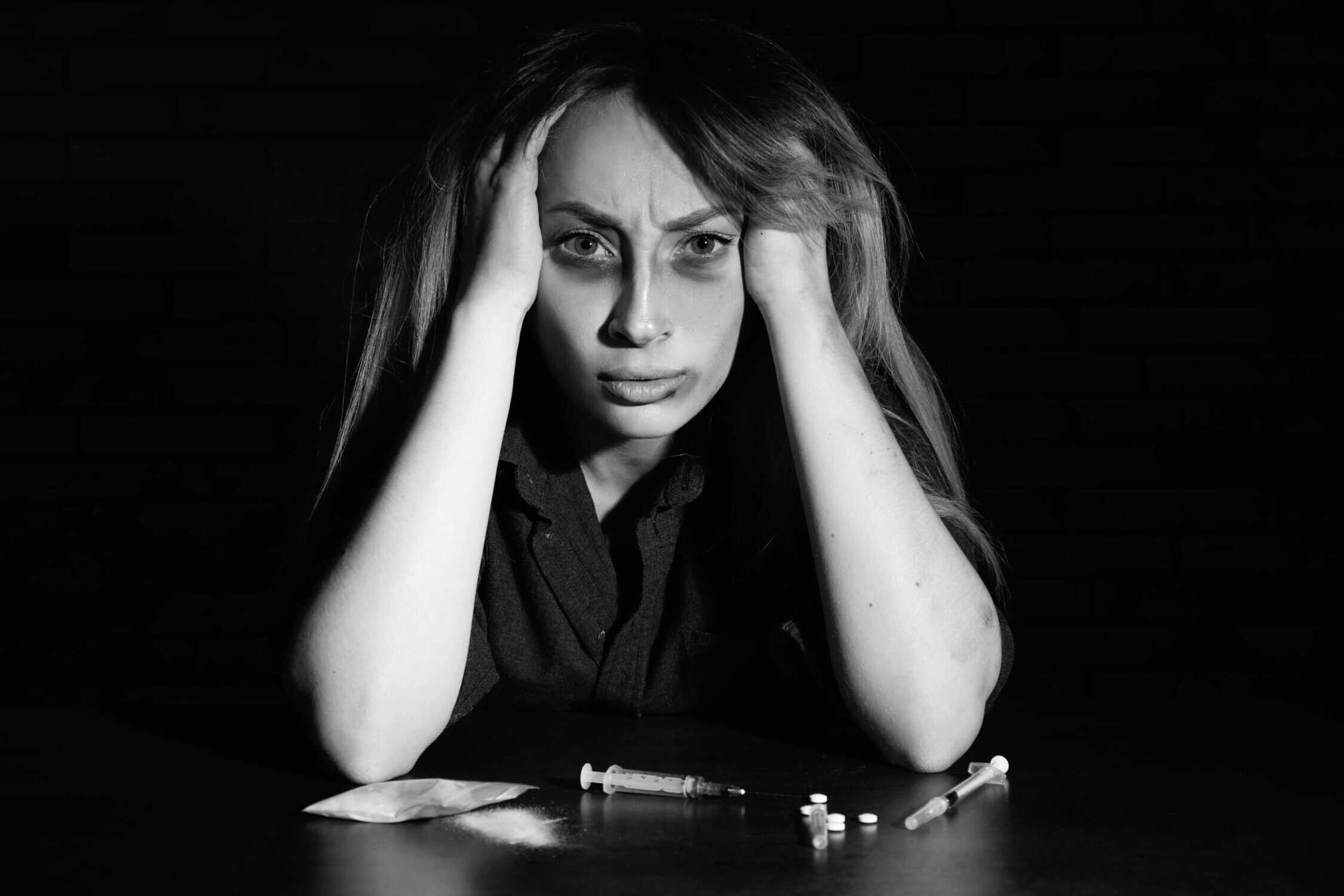
Watching someone you care about go through an intense, unpredictable episode of paranoia and agitation is frightening. You might hear this behavior called “tweaking,” a term often associated with stimulant abuse. It’s a confusing and scary experience, not just for the person going through it, but for their loved ones, too. You’re likely filled with questions and concerns, wondering what’s happening to them and how you can possibly help. Please know, what you’re seeing is not a choice or a sign of weakness, but a severe reaction happening inside the brain due to meth use . Understanding what tweaking is can be the first step toward finding a path to safety and recovery.
What exactly is ‘tweaking’?
When we talk about ‘tweaking,’ we’re describing a state of stimulant-induced psychosis that often follows a drug binge, especially with methamphetamine. It’s not the same as being high. The initial euphoria has faded, but the person is left in a state of hyper-arousal, unable to sleep for days. This combination of exhaustion and intense stimulation creates a perfect storm in the brain, leading to severe psychological distress. The brain’s dopamine system, which regulates pleasure and reward, becomes completely overwhelmed by the effects of stimulant abuse. This isn’t a moral failing; it’s a severe neurological reaction. Instead of feeling good, the person is trapped in a cycle of paranoia, anxiety, and sometimes hallucinations, leading to erratic behavior that is unpredictable.
Recognizing the signs and behaviors of tweaking
When someone is tweaking, their behavior can be alarming and hard to understand. Recognizing the specific signs can help you make sense of what’s happening. These symptoms are often grouped into physical, behavioral, and psychological changes.
- Physical signs. You might notice rapid, jerky movements or strange body postures that seem unnatural. Their eyes may dart back and forth quickly, and their pupils might be very large (dilated). These are common physical manifestations of methamphetamine use.
- Behavioral signs. A person tweaking might become intensely focused on a repetitive task, like taking apart an electronic device and putting it back together over and over. You may see signs of extreme paranoia, such as constantly peeking through the blinds or believing they are being watched. This often leads to social isolation as they pull away from others.
- Psychological signs. This is often the most distressing part. They might experience vivid auditory or visual hallucinations, hearing voices or seeing things that aren’t there. Delusional thinking can take hold, causing them to believe things that are not based in reality. This is usually accompanied by severe anxiety, irritability, and sometimes aggression as they react to their perceived threats. Learning the signs your loved one needs meth treatment can empower you to take the next step.
The serious health risks involved
Tweaking is more than just a behavioral episode; it’s a sign of a serious health crisis with immediate and long-term dangers. In the short term, the intense stimulation can push the cardiovascular system to its breaking point, leading to a risk of cardiac arrest or stroke. Seizures are also a real possibility.
The profound paranoia can also result in unpredictable, sometimes violent, behavior, posing a danger to the individual and those around them. Over time, repeated episodes can lead to lasting psychosis, severe depression, and significant cognitive impairment. The physical toll is immense, as stimulant abuse can cause long-term damage to vital organs and deplete essential nutrients. Recognizing these health risks is a critical step toward understanding the urgency of the situation and the necessity for long term treatment .
Finding a path to recovery from stimulant addiction
If what you’ve read so far feels familiar, please know there is a hopeful path forward. The journey to recovery from stimulant addiction starts with professional help, often beginning with medical detox. This provides a safe, supervised environment to manage the intense physical and psychological symptoms of withdrawal, paving the way for comprehensive treatment . From there, addiction treatment can be tailored to individual needs. Inpatient treatment offers an immersive, structured setting free from triggers, while outpatient options provide flexibility for those with work or family commitments. Therapies like cognitive behavioral therapy (CBT) are crucial for addressing the root causes of addiction and building healthy coping skills. For many, tweaking is linked to underlying mental health conditions, which is why dual diagnosis treatment is so important for healing both the addiction and any co-occurring disorders at the same time. Guidance on how to get help with cocaine addiction and other stimulants is available.
Frequently asked questions
The duration of a tweaking episode can vary widely, often lasting anywhere from a few hours to several days. The length depends on factors like the type and amount of stimulant used, the person’s physical health, and how long they have gone without sleep.
The intense paranoia and agitation generally continue until the person is able to rest and the substance leaves their system. After the episode ends, they typically experience a “crash” that involves extreme exhaustion and depression.
Tweaking is most commonly associated with methamphetamine (meth) abuse because of its powerful and long-lasting effects on the brain. However, other potent stimulants can also trigger similar episodes of paranoia and psychosis, especially after a binge.
This includes substances like crack cocaine or very high doses of prescription stimulants, such as Adderall or Ritalin. The key factor is usually the combination of intense stimulation with severe sleep deprivation.
While it may not be an overdose in the way many people think of one (like with opioids), tweaking is a sign of acute stimulant toxicity and should be treated as a medical emergency. The body and brain, including heart rate, are being pushed to dangerous and unsustainable limits.
The extreme strain on the cardiovascular system, along with high body temperature and the potential for seizures, puts the person at high risk for a stroke or heart attack. Seeking medical care is crucial to manage these immediate physical dangers, especially regarding blood pressure and cardiovascular health.
Your safety and the other person’s safety are the top priorities. It’s important to stay calm and avoid arguing, as their paranoia feels very real to them. Speak in a soft, reassuring voice and avoid making sudden movements that could startle them.
Do not try to physically restrain them or block their exit. If their behavior becomes aggressive or you feel unsafe in any way, remove yourself from the situation immediately and call 911 for professional medical and emergency assistance.
After a tweaking episode, a person usually experiences a “crash.” This phase is marked by profound exhaustion, deep depression, anxiety, and a complete lack of energy. They may need to sleep for a day or even longer as their body and brain begin to recover.
This period can be a critical time to gently and compassionately discuss the need for professional treatment. The physical and emotional low point can sometimes make a person more open to accepting that they need help for their substance use.
Understand tweaking: how to move forward
Tweaking is a call for compassionate, effective care, including structured support for recovery. The most important thing to remember is that recovery is possible. Millions of people who have struggled with substance use have found their way to a healthier, more fulfilling life, and that hope is available to you, too. You don’t have to face this alone. If you or someone you love is struggling, our compassionate team at Kentucky Addiction Treatment is here to guide you, offering support to clients in need . Please call us at (888) 771-8718 or contact us today to learn about your options and take the first step.
Sources
- National Institute on Drug Abuse. (July 6, 2020). Drugs, brains, and behavior: The science of addiction. National Institute on Drug Abuse.
- American Society of Addiction Medicine. (n.d.). Management of stimulant use disorder. American Society of Addiction Medicine.
- Substance Abuse and Mental Health Services Administration. (June 16, 2020). Treatment of stimulant use disorders. Substance Abuse and Mental Health Services Administration.