
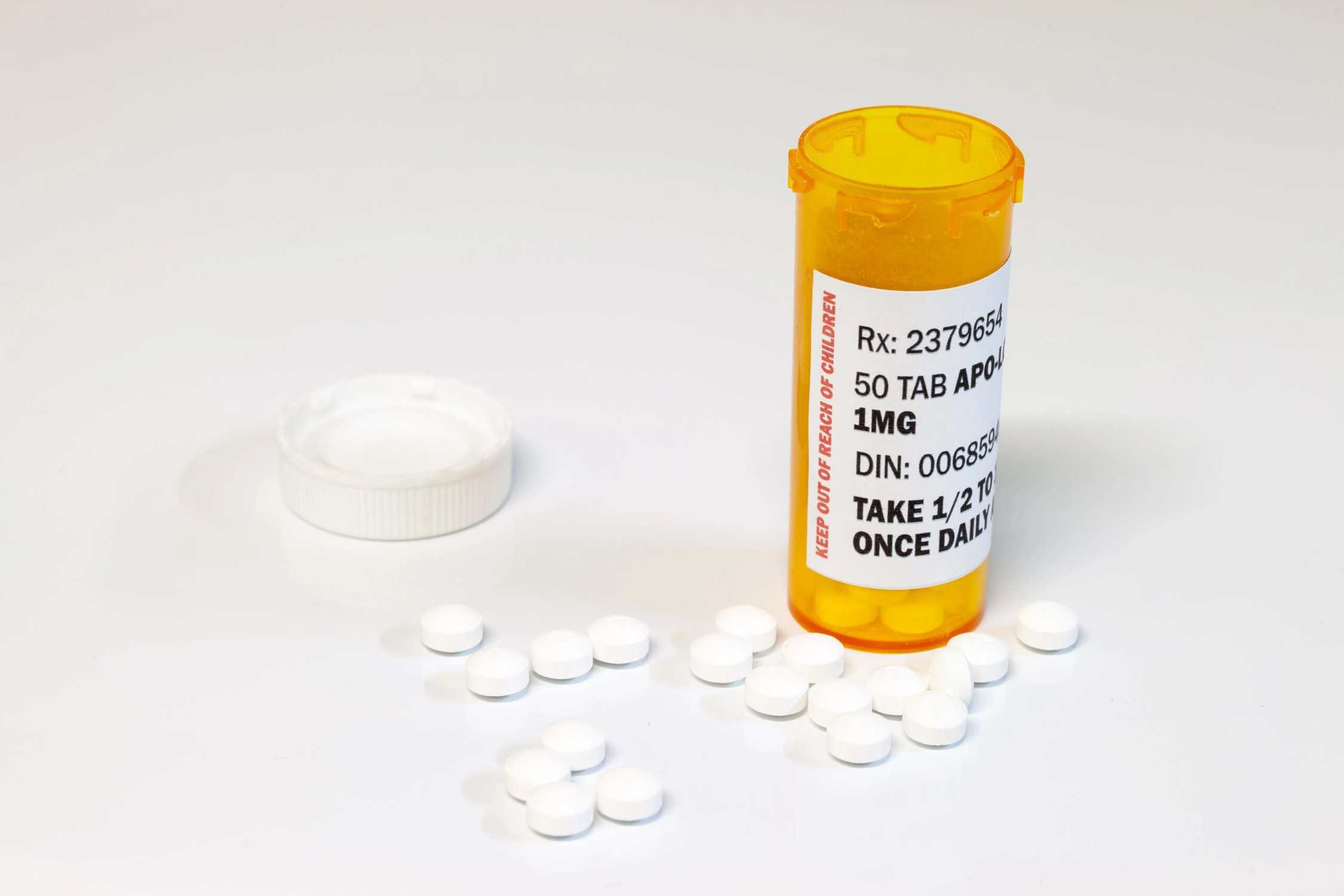
When anxiety has you feeling like your nerves are on edge and your mind won’t quiet down, the promise of calm that Ativan brings can feel like a lifeline. There’s a real comfort in finally catching your breath, even if just for a moment. But that relief can come with a set of trade-offs that aren’t always obvious at first. Knowing how Ativan works, what to look out for, and when to reach for support is the first real step toward using it safely and protecting your long-term well-being.
What is Ativan?
Ativan is the well-known brand name for the medicine lorazepam. It belongs to a class of medications called benzodiazepines, which are often prescribed by a doctor to manage anxiety disorders or provide short-term relief from symptoms of anxiety. Because of its calming effects, it’s also used to treat insomnia related to stress and certain types of seizures. As one of the most commonly prescribed medications, it’s essential to understand how it works.
So, how does this medicine quiet the storm inside? Ativan works by enhancing the effects of a natural chemical in the brain called gamma-aminobutyric acid, or GABA. Think of GABA as the brain’s braking system; it slows down nerve activity, leading to a feeling of calm and relaxation. This mechanism is what makes the medication so effective for anxiety, but it’s also the reason it carries risks. While it provides relief, its powerful effects on the brain can also lead to unwanted side effects and the potential for dependence, which is why it’s so important to use it exactly as your doctor prescribes.
Side effects of Ativan
Like any medication, Ativan comes with potential side effects that can range from mild and manageable to severe. Understanding these adverse effects is a key part of using this medicine safely. While many people experience only minor issues that fade over time, it’s important to know what to watch for. Some of the most dangerous prescription drugs have side effects that can become serious if ignored.
The most common symptoms people report are drowsiness (sedation), dizziness, weakness, and unsteadiness. According to clinical studies, sedation occurs in about 15.9% of users, dizziness in 6.9%, weakness in 4.2%, and unsteadiness in 3.4%. Let’s break these down into what you might experience day-to-day versus what requires more urgent attention.
More common effects of taking lorazepam
When you first start taking Ativan, you’re most likely to notice the more common effects. These are often most pronounced in the beginning and may lessen as your body adjusts to the medication. These include:
- Drowsiness or feeling sleepy during the day
- Dizziness or lightheadedness
- A sense of weakness or fatigue
- Unsteadiness or loss of coordination
What are the serious side effects of lorazepam?
While less common, some side effects of lorazepam are serious and require immediate medical attention. If you or someone you know experiences any of the following, it’s important to contact a healthcare provider right away. These serious side effects can include:
- Severe drowsiness or difficulty waking up
- Memory problems or amnesia
- Mood or behavior changes, such as new or worsening depression or thoughts of suicide
- Confusion, agitation, or hallucinations
- Signs of an allergic reaction, like swelling of the face, lips, or tongue, or difficulty breathing
It’s especially important to be mindful of mood changes. Benzodiazepines have been associated with an increased risk of self-harm, with some studies showing their involvement in a significant number of suicide attempts. This isn’t to cause fear, but to empower you with knowledge so you can act quickly if these feelings arise.
What happens if I overdose?
Taking more Ativan than prescribed can lead to an overdose, which is a serious medical emergency. An overdose happens when the drug overwhelms the central nervous system, causing its functions to slow down to a dangerous level. This risk is significantly higher if Ativan is mixed with other substances that also slow the brain down, like alcohol or opioid medications.
The symptoms of an overdose can escalate quickly and need immediate attention. If you suspect an overdose, it’s crucial to call 911 right away. According to medical experts, benzodiazepine toxicity can lead to life-threatening complications. Key signs include:
- Extreme drowsiness or being unable to stay awake
- Confusion and disorientation
- Slurred speech
- Loss of coordination and stumbling
- Severely slowed or shallow breathing (respiratory depression)
- Loss of consciousness or slipping into a coma
Respiratory depression is the most life-threatening symptom of an Ativan overdose. When breathing becomes too slow or stops, the brain doesn’t get enough oxygen, which can lead to permanent brain damage or death. This is why you should never hesitate to seek emergency medical help if you notice these signs in yourself or someone else.
Tolerance and dependence
When you take Ativan for a period of time, your body can start to adapt to it in a couple of ways: through tolerance and dependence. Tolerance means that over time, you may need higher doses of the medication to get the same effect you felt initially. This happens because your brain adjusts to the drug’s presence.
Physical dependence is another natural adaptation. It means your body has gotten used to having Ativan in its system and relies on it to function normally. If the medicine is suddenly stopped, you can experience withdrawal symptoms. These can range from rebound anxiety and insomnia to more severe symptoms like irritability, tremors, and even seizures. It’s important to understand that dependence isn’t the same as addiction. Addiction involves compulsive drug-seeking and using it despite harmful consequences, while dependence is a physical adaptation.
Navigating dependence and withdrawal can feel overwhelming and can be dangerous to do on your own. Abruptly stopping Ativan can be risky, which is why professional support is so important. A medically supervised detox can help manage withdrawal symptoms safely and comfortably, providing a stable foundation for the next steps in your treatment and recovery journey.
Drug interactions for lorazepam tablets
Ativan is a powerful medicine on its own, but its effects can be dangerously amplified when it interacts with other substances. It’s incredibly important to be aware of these potential drug interactions to avoid serious health risks. Always be open with your doctor and pharmacist about everything you’re taking, including prescriptions, over-the-counter medicines, and supplements.
Certain interactions can be life-threatening. The most critical combinations to avoid include:
- Alcohol. Mixing the Ativan medication with alcohol is extremely risky. Both are central nervous system depressants, and together they can lead to severe drowsiness, breathing problems, coma, and even death.
- Opioid medication. The FDA has issued a strong warning about combining benzodiazepines with opioid painkillers. This combination dramatically increases the risk of profound sedation and life-threatening respiratory depression.
- Other CNS depressants. This includes other benzodiazepines, sleeping pills, certain antihistamines (like Benadryl), and some antidepressants. Combining these can intensify side effects like dizziness and drowsiness.
To keep yourself safe, make it a habit to review your medications with your healthcare provider. A simple conversation can prevent a dangerous interaction and ensure your treatment plan is both effective and safe.
Frequently asked questions
Always take Ativan (lorazepam) exactly as your doctor has prescribed. You can typically take this medicine with or without food, but if it upsets your stomach, try taking it with a small snack.
It’s important to be consistent with your doses and not to change the amount without speaking to your healthcare provider first. Following your prescription carefully helps manage your symptoms safely and reduces the risk of unwanted effects.
If you miss a dose of your medicine, take it as soon as you remember. However, if it’s nearly time for your next scheduled dose, it’s better to skip the one you missed and get back on track with your regular schedule.
Never take two doses at once to “catch up,” as this can increase your risk of side effects. If you’re ever unsure what to do, calling your doctor or pharmacist for guidance is the safest choice.
It is crucial to avoid drinking alcohol while taking Ativan. The combination can cause severe drowsiness, coordination problems, and dangerously slowed breathing. You should also avoid opioid medications and other drugs that slow down the central nervous system, like sleeping pills.
Always tell your doctor about all other medicines you take, including over-the-counter products and herbal supplements, to prevent any harmful effects or interactions.
Looking for help for Ativan abuse?
Taking control of your health starts with understanding the tools you’re using. While Ativan can be an effective medication for managing anxiety, it requires careful attention to its side effects, risks of dependence, and potential interactions.
If you ever feel that your use of Ativan is becoming more of a problem than a solution, please know that reaching out is a sign of strength. You can take the next step in a safe, supportive environment. To discuss your options, you can contact us for more information. At Kentucky Addiction Treatment, we’re here to provide clear guidance and compassionate care to help you move forward.
Sources
- U.S. Drug Enforcement Administration. (04-01-2021). Benzodiazepines. DEA.gov.
- National Center for Biotechnology Information. (05-25-2024). Lorazepam. StatPearls.
- Food and Drug Administration. (2016). Ativan Label. FDA.
- National Center for Biotechnology Information. (06-26-2023). Benzodiazepine Toxicity. StatPearls.
- National Library of Medicine. (03-29-2012). A Future for Subtype-Selective GABAA Receptor Modulators?. PubMed Central.
- National Institute on Alcohol Abuse and Alcoholism. (01-01-2025). Harmful Interactions. NIAAA, NIH.
- Food and Drug Administration. (10-02-2020). FDA requiring Boxed Warning updated to improve safe use of benzodiazepine drug class. FDA.
- Substance Abuse and Mental Health Services Administration. (03-29-2024). Co-Occurring Disorders and Other Health Conditions. SAMHSA.
- Substance Abuse and Mental Health Services Administration. (04-24-2023). Find Help and Treatment for Mental Health, Drug, Alcohol Issues. SAMHSA.
- National Library of Medicine. (02-15-2023). Lorazepam. MedlinePlus.