
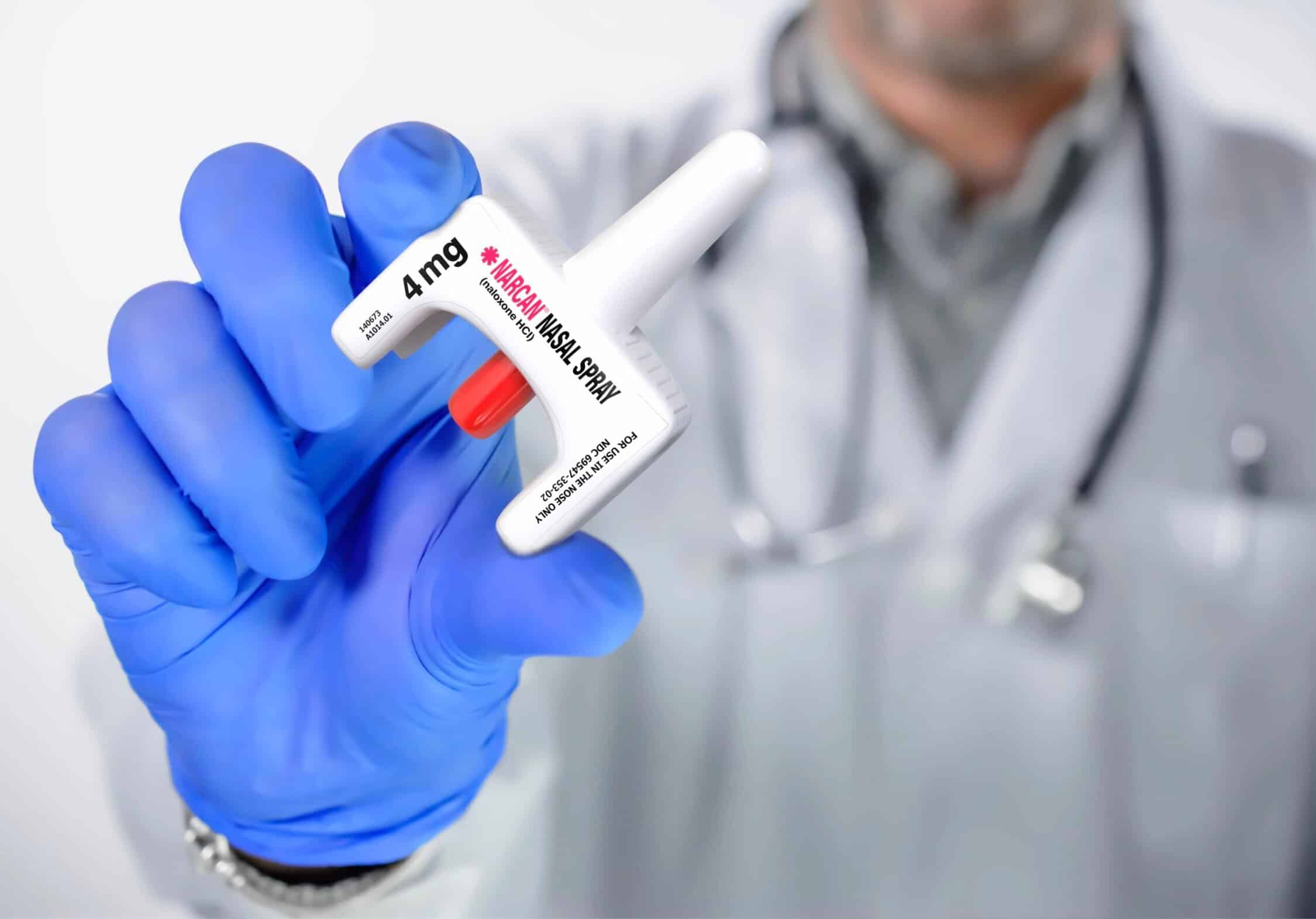
When you hear the names naloxone and naltrexone, it’s easy to get them mixed up. They sound similar, and both are used in the context of opioid use disorder. At their core, both are opioid antagonists, which means they block the effects of opioids like heroin or fentanyl. But that’s where the similarities end. Naloxone is an emergency medication designed to rapidly reverse an overdose, while naltrexone is used for long-term treatment to help prevent relapse.
Understanding this key distinction is vital, not just for healthcare providers but for families and individuals navigating the complexities of addiction. The opioid crisis has impacted countless lives in Kentucky and across the nation, making accessible, clear information more critical than ever. This guide is here to clear up the confusion, offering a compassionate comparison to show how each medication fits into a larger plan for healing and recovery.
How naltrexone and naloxone work
To understand how naloxone and naltrexone work, it helps to think of the brain’s opioid receptors as parking spots. When someone uses an opioid, the drug molecules park in these spots, causing the euphoric highs and dangerous side effects like slowed breathing. Opioid antagonists are like security guards for these parking spots. They can either kick an unauthorized car out or stand in the spot to prevent any cars from parking there in the first place. That’s essentially what these two medications do.
Naloxone
Naloxone is the emergency responder. It has a very strong attraction to opioid receptors and works incredibly fast. When someone is experiencing an overdose, their breathing can become dangerously slow or stop altogether. Administering naloxone is like sending in a tow truck that forcefully removes the opioid molecules from the receptors. This action quickly reverses the overdose effects and restores normal breathing, often within minutes. However, naloxone’s effects are short-lived, which is why it’s a rescue drug, not a long-term treatment.
Naltrexone
Naltrexone, on the other hand, is the long-term security guard. It also binds to opioid receptors, but its job is to occupy them for an extended period. By sitting in these “parking spots,” it physically blocks any other opioids from attaching. If a person in recovery uses an opioid while on naltrexone, they won’t feel the euphoric effects. This breaks the cycle of reward and reinforcement that fuels addiction, which helps reduce cravings and prevent relapse over time. It’s a proactive tool for maintaining recovery, not an emergency fix.
Key differences between naltrexone vs naloxone
While both medications are opioid antagonists, their roles in addiction treatment couldn’t be more different. Naloxone is the emergency brake, pulled to stop an immediate crisis. naltrexone is the steady hand on the wheel, helping to navigate the long road of recovery. Understanding how these medications fit into a comprehensive opioid rehab center program is key to seeing their true value. The table below breaks down the essential distinctions between them.
| Feature | Naloxone | Naltrexone |
|---|---|---|
| Primary use | Emergency reversal of an opioid overdose | Long-term prevention of opioid and alcohol relapse |
| How it works | Rapidly displaces opioids from receptors to restore breathing | Blocks opioid receptors to prevent euphoric effects and reduce cravings |
| Forms | Nasal spray (e.g., Narcan) and injectable | Oral pill (daily) and long-acting injectable (e.g., Vivitrol) |
| When to use | Immediately during a suspected overdose | After detoxification, once a person is opioid-free for 7-10 days |
| Availability | Often available over-the-counter or without a prescription | Prescription only |
Adverse effects
Like any medication, both naloxone and naltrexone can have side effects. However, their adverse effects are quite different and depend heavily on the circumstances of their use.
For naloxone, the most significant side effect happens in people who are physically dependent on opioids. Because it works so quickly to kick opioids off their receptors, it can trigger immediate and intense withdrawal symptoms. This is often called “precipitated withdrawal.” While it’s uncomfortable, it’s a sign the medication is working to reverse a life-threatening overdose. Symptoms can include:
- Nausea and vomiting
- Body aches and muscle cramps
- Sweating and fever
- Agitation and anxiety
- Rapid heart rate
For naltrexone, the side effects are generally milder and can occur as the body adjusts to the medication. A person must be fully detoxed before starting naltrexone, as taking it with opioids still in the system will also cause severe precipitated withdrawal. Common side effects may include:
- Nausea, stomach pain, or decreased appetite
- Headache or dizziness
- Anxiety or trouble sleeping
- Joint and muscle pain
In some cases, long-term use of naltrexone may affect the liver, so healthcare providers will often monitor liver function to ensure it remains a safe option for ongoing treatment.
Good Samaritan Protections in Kentucky
One of the most significant barriers to calling for help during an overdose is fear; fear of arrest, fear of legal consequences, or fear of getting someone else in trouble. Kentucky’s Good Samaritan law (KRS 218A.133) was enacted specifically to address this barrier, because an overdose that goes unreported is far more likely to be fatal.
What the law covers
Kentucky’s Good Samaritan law provides limited immunity from prosecution for certain drug-related offenses when someone calls 911 in good faith to report an overdose. Both the person making the call and the person experiencing the overdose may be protected. Specifically, the law offers protection against charges for:
- Possession of a controlled substance
- Being present where controlled substances are used
- Violation of an emergency protective order related to the incident
What the law does not cover
It’s important to understand the limits of this protection. The Good Samaritan law does not shield someone from:
- Drug trafficking or distribution charges
- Charges unrelated to the overdose incident
- Warrants that were already outstanding before the call was made
Why this matters
Studies have consistently shown that fear of legal consequences is one of the most common reasons bystanders hesitate to call 911 during an overdose. Every minute without intervention reduces the chances of survival. Knowing that Kentucky law is designed to protect you when you do the right thing can be the difference between life and death.
What do do in an overdose emergency
- Call 911 immediately
- Administer naloxone if it is available
- Stay with the person until emergency services arrive
- Be honest with first responders about what substances were involved — this helps them provide the right care
Recovery begins with survival. Kentucky’s Good Samaritan law exists to make sure people get that chance.
Frequently asked questions
Naloxone works by binding to opioid receptors and rapidly displacing opioids such as heroin, prescription opioids, and synthetic opioids. This action can reverse respiratory depression, which is the main cause of death in acute opioid overdose. Naloxone is available as a nasal spray and in injectable forms. In some cases, more than one dose or multiple doses may be needed, especially with potent synthetic opioids. Naloxone is considered emergency treatment and should always be followed by emergency medical help. Generic naloxone is widely distributed to help combat overdose deaths during the opioid epidemic.
Yes. Because both naltrexone and naloxone block opioid receptors, they can trigger opioid withdrawal symptoms if opioids are present in the body. Naloxone may cause sudden and intense opioid withdrawal during overdose reversal. Naltrexone requires that a person be fully opioid free before starting treatment, otherwise severe opioid withdrawal can occur. Healthcare providers carefully assess timing before prescribing naltrexone for the treatment of opioid addiction or alcohol addiction.
Both medications have potential side effects. Naloxone may cause nasal irritation when used as a nasal spray and can lead to temporary withdrawal symptoms. Naltrexone may cause stomach pain, joint or muscle pain, and in rare cases liver complications, particularly in individuals with liver disease. Taking naltrexone while drinking alcohol does not cause the same reaction as disulfiram, but it is designed to treat alcohol use disorder by reducing cravings.
Discovering the best options for opioid addiction treatment
It’s important to remember that medications like naloxone and naltrexone are tools, not cures. They are most effective when they are part of a comprehensive, holistic recovery plan. Think of it this way: naloxone is the emergency life raft that saves someone from drowning, but it doesn’t teach them how to swim or navigate the waters. That’s where a full continuum of care comes in.
Many people also struggle with co-occurring mental health conditions, so integrated dual diagnosis treatment is critical for lasting wellness. The best outcomes always result from a collaborative plan tailored to the individual’s unique needs, developed by a team of compassionate professionals.
Recovery is not only possible; it’s within your reach. If you or someone you love is ready to take the next step toward healing, professional guidance is here for you. Give us a call to speak with our compassionate team, or learn more about our approach at Kentucky Addiction Treatment. You can also contact us online to start the conversation. You don’t have to walk this path alone.
Sources
- National Institutes of Health. (2023-07-21). Opioid antagonists. StatPearls.
- National Institutes of Health. (2024-05-05). Naloxone. StatPearls.
- Centers for Disease Control and Prevention. (2025-09-09). Vital statistics rapid release – provisional drug overdose data. Centers for Disease Control and Prevention.
- Kentucky Office of Drug Control Policy. (No date). 2024 drug overdose fatality report. Kentucky Office of Drug Control Policy.
- Commonwealth of Kentucky. (09-21-2025). Gov. Beshear: Kentucky overdose deaths decline by 30.2% in 2024. Commonwealth of Kentucky.
- National Institute on Drug Abuse. (01-11-2022). Naloxone drugfacts. National Institute on Drug Abuse.
- U.S. Department of Health and Human Services. (02-01-2013). Naloxone. Medical Countermeasures Database.
- National Institutes of Health. (05-30-2023). Naltrexone. StatPearls.
- National Institutes of Health. (03-14-2024). Clinical pharmacokinetics and pharmacodynamics of naloxone. PubMed Central.
- Substance Abuse and Mental Health Services Administration. (03-29-2024). What is naltrexone? Side effects, uses, dose & risk. Substance Abuse and Mental Health Services Administration.
- National Institute on Drug Abuse. (03-20-2025). Medications for opioid use disorder. National Institute on Drug Abuse.
- Food and Drug Administration. (08-08-2024). Information about naloxone and nalmefene. Food and Drug Administration.
- Food and Drug Administration. (03-29-2023). FDA approves first over-the-counter naloxone nasal spray. Food and Drug Administration.
- Centers for Disease Control and Prevention. (05-02-2024). 5 things to know about naloxone. Centers for Disease Control and Prevention.
- Food and Drug Administration. (09-30-2025). Naloxone hydrochloride. Food and Drug Administration.
- Substance Abuse and Mental Health Services Administration. (08-12-2025). Opioid overdose reversal medications. Substance Abuse and Mental Health Services Administration.
- Commonwealth of Massachusetts. (05-01-2022). Naloxone facts and formulations. Commonwealth of Massachusetts.
- Centers for Disease Control and Prevention. (04-09-2024). Opioid use disorder: treating. Centers for Disease Control and Prevention.
- Substance Abuse and Mental Health Services Administration. (08-25-2025). Medications for substance use disorders. Substance Abuse and Mental Health Services Administration.
- American Society of Addiction Medicine. (No date). ASAM national practice guideline pocketguide. American Society of Addiction Medicine.
- National Institutes of Health. (04-01-2005). Opioid dependence treatment: options in pharmacotherapy. PubMed Central.
- Partnership for Drug-Free Kids. (09-30-2024). Medications to treat opioid use disorder. Partnership for Drug-Free Kids.
- National Institutes of Health. (03-12-2012). Opioid detoxification and naltrexone induction strategies. PubMed Central.
- National Institutes of Health. (01-01-2009). Chapter 4—Oral naltrexone. National Center for Biotechnology Information.
- Substance Abuse and Mental Health Services Administration. (09-26-2025). Managing life with co-occurring disorders. Substance Abuse and Mental Health Services Administration.
- National Institutes of Health. (04-25-2023). Integrated vs non-integrated treatment outcomes in dual diagnosis. PubMed Central.
- National Institutes of Health. (09-17-2021). Improving medication access within integrated treatment for concurrent disorders. PubMed Central.
- Substance Abuse and Mental Health Services Administration. (10-24-2019). Integrated treatment for co-occurring disorders: the evidence. Substance Abuse and Mental Health Services Administration.
- National Institutes of Health. (10-24-2019). Integrating treatment for co-occurring mental health conditions. PubMed Central.
- Centers for Disease Control and Prevention. (08-12-2024). Treatment of opioid use disorder. Centers for Disease Control and Prevention.
- Food and Drug Administration. (12-26-2024). Information about medications for opioid use disorder (MOUD). Food and Drug Administration.
- Oregon Health & Science University. (No date). Buprenorphine (Subutex) and buprenorphine-naloxone (Suboxone). Oregon Health & Science University.
- University of Massachusetts Medical School. (No date). Fact sheet on naltrexone. University of Massachusetts Medical School.
- National Institutes of Health. (11-28-2023). A comparison of medication-assisted treatment options for opioid use disorder. PubMed Central.
- National Institutes of Health. (06-03-2021). Therapeutic approaches to opioid use disorder: What is the current landscape?. PubMed Central.
- National Institutes of Health. (06-16-2025). High induction rate onto extended-release naltrexone for people with opioid use disorder. PubMed Central.
- National Institutes of Health. (03-24-2018). Extended-release injectable naltrexone for opioid use disorder. PubMed Central.
- ClinicalTrials.gov. (No date). Surmounting withdrawal to initiate fast treatment with naltrexone. ClinicalTrials.gov.
- National Institutes of Health. (10-18-2017). Effectiveness of injectable extended-release naltrexone vs daily buprenorphine-naloxone for opioid dependence: a randomized clinical noninferiority trial. PubMed Central.
- National Institutes of Health. (08-01-2016). Commentary on Ajazi et al (2021) re-analysis of the X:BOT randomized clinical trial. PubMed Central.
- ClinicalTrials.gov. (12-30-2013). Extended-release naltrexone vs. buprenorphine for opioid dependence (X:BOT). ClinicalTrials.gov.
- National Institutes of Health. (05-22-2007). Sublingual buprenorphine/naloxone precipitated withdrawal. PubMed Central.
- National Institutes of Health. (03-01-2007). Buprenorphine vs methadone treatment: A review of evidence in both resource-poor and resource-abundant settings. PubMed Central.