
When concerns about drug use arise—whether for yourself or someone you care about—it’s natural for questions to come quickly. One of the most common is understanding how a substance affects the body. You may find yourself asking, “Is cocaine an upper or a downer?” It’s an important starting point, especially for those considering cocaine rehab in Kentucky or exploring treatment options. Knowing the answer can help clarify its effects, risks, and what recovery may involve. Let’s take a closer look with clear, compassionate, and fact-based insight.
Is cocaine an upper?
Yes, cocaine is an upper, meaning it is a powerful stimulant drug that strongly affects the central nervous system (CNS). When used, it significantly boosts energy levels, produces intense euphoria, increases alertness, reduces fatigue, and raises body temperature, heart rate, and blood pressure. These effects are why cocaine use is often linked to rapid breathing, dilated pupils, weight loss, and severe agitation. Understanding how stimulants like cocaine function is important when exploring different addiction types, as each substance impacts the brain and body in unique ways. Unlike depressants such as alcohol, prescription painkillers, or sedatives that slow the nervous system, cocaine works in the opposite direction by overstimulating the brain and nervous system, particularly the pathways related to mood, attention, and reward.
What is cocaine?
Cocaine is a powerful and highly addictive central nervous system stimulant. At its core, this substance is derived from the leaves of the coca plant, which is native to South America. For centuries, indigenous cultures chewed coca leaves for a mild stimulating effect, but the concentrated, powdered drug we know today is a much more intense and dangerous substance. As a stimulant, cocaine directly speeds up the messages traveling between your brain and body, creating a temporary surge of energy and alertness. Because of its high potential for abuse and severe psychological or physical dependence, it is classified as a Schedule II controlled substance under U.S. law. While it has limited medical use as a topical anesthetic in certain surgeries, possessing it without authorization is illegal. Understanding the risks and consequences of cocaine use is crucial for recognizing the need for help.
Forms of cocaine
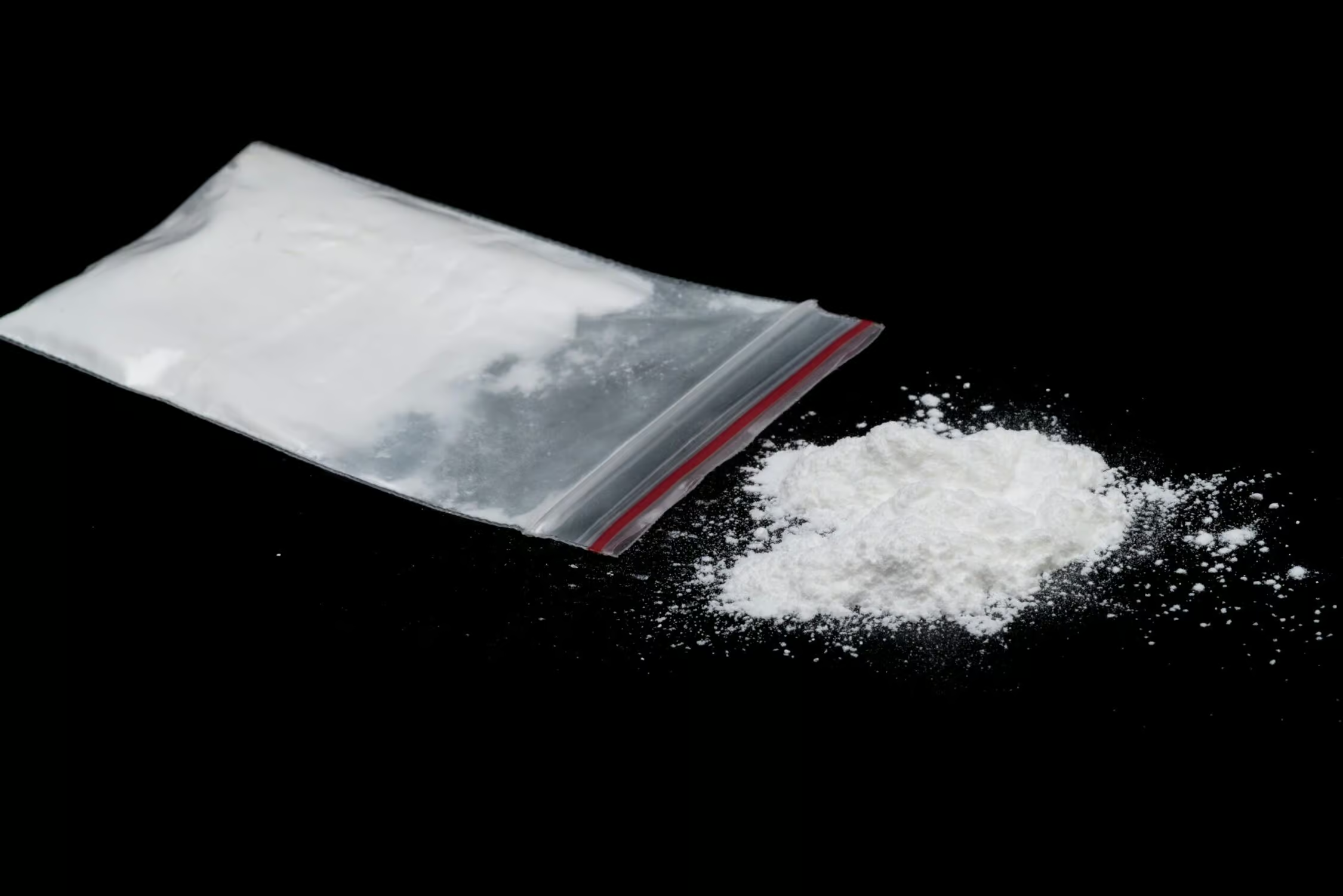
Cocaine typically comes in two main forms, and how it’s used affects how quickly and intensely it impacts a person. The most common form is powdered cocaine, a fine, white powder scientifically known as cocaine hydrochloride. This form is usually administered by snorting it through the nose, though it can also be dissolved in water and injected.
The other form is crack cocaine, which is cocaine that has been processed to create a rock-like crystal that can be smoked. Smoking or injecting the drug delivers it to the brain much more rapidly than snorting, leading to a faster, more intense, but shorter-lived high. This intense cycle often contributes to a higher rate of addiction.
Stimulants vs. depressants: understanding the difference
To understand cocaine, it helps to know the two main categories it belongs to: stimulants, often called “uppers,” and depressants, known as “downers.” These terms describe how a drug affects your central nervous system (CNS). Uppers speed everything up. Both types of substances can be dangerous and carry a high risk for addiction.
| Effect | Stimulants (uppers) | Depressants (downers) |
|---|---|---|
| Central nervous system | Effect: speeds up activity | Effect: slows down activity |
| Heart rate & blood pressure | Effect: increases | Effect: decreases |
| Alertness & energy | Effect: increases | Effect: decreases |
| Mood | Effect: euphoria, confidence | Effect: relaxation, calmness |
| Examples | Effect: cocaine, meth, adderall | Effect: alcohol, benzodiazepines, opioids |
Risks and side effects of cocaine use
Cocaine is an upper, and its stimulating effects put immense strain on the body, particularly the cardiovascular system. The risks are serious and can be life-threatening, even with just one use. The immediate effects can feel energizing, but they come with significant dangers.
- Short-Term Effects: Right away, you might experience an increased heart rate, high blood pressure, constricted blood vessels, and a higher body temperature. Psychologically, this can manifest as restlessness, irritability, anxiety, and even intense paranoia.
- Long-Term Effects: Over time, the strain on your body can lead to severe health problems. Chronic use damages the heart and blood vessels, dramatically increasing the risk of a heart attack or stroke. In fact, studies show regular cocaine users have a much higher risk of non-fatal heart attacks. It can also cause respiratory failure if smoked, seizures, and gastrointestinal issues. Psychologically, long-term use can lead to severe depression, psychosis, and a powerful addiction that disrupts every aspect of your life.
What are the signs of cocaine abuse?
If you’re worried a loved one might be struggling with cocaine use, knowing what to look for can be the first step toward helping them. The signs can be subtle at first, but often become more obvious over time. Recognizing them isn’t about judgment; it’s about concern and opening the door for a conversation.
- Physical signs. Frequent nosebleeds or a constantly runny nose (from snorting), dilated pupils, unusual excitability, and significant weight loss are common. You might also notice they have trouble sleeping or seem exhausted all the time.
- Behavioral signs. Secrecy is a major red flag. This can include lying about where they’ve been or who they’ve been with, unexplained financial problems, or borrowing or stealing money. They might also lose interest in hobbies or responsibilities they once cared about.
- Psychological signs. You may notice dramatic mood swings, from euphoria and overconfidence to irritability, agitation, and deep depression. Paranoia and anxiety are also common, where they might seem fearful or suspicious of others for no clear reason.
Dangers of mixing cocaine with other drugs
Using cocaine by itself is incredibly risky, but mixing it with other substances multiplies the danger. When cocaine is combined with alcohol, the liver produces a third substance called cocaethylene, which is even more toxic to the heart and dramatically increases the risk of sudden death. Another common and lethal combination is a “speedball,” which is mixing cocaine (an upper) with an opioid like heroin (a downer). This combination sends conflicting messages to the body, placing an unbearable strain on the heart and respiratory system, which can easily lead to a fatal overdose. Understanding the dangers of mixing substances is critical for safety.
Getting help for cocaine addiction
Understanding that cocaine is a powerful upper and recognizing its risks is a huge step. The next, most important step is knowing that you don’t have to face this alone. Recovery from cocaine addiction is absolutely possible, and professional help is the safest and most effective way to start that journey. At Kentucky Addiction Treatment, we understand the courage it takes to reach out. We are here to provide compassionate, evidence-based care tailored to your unique needs in a judgment-free environment.
The path to recovery is a process, and it often begins with detox before moving into structured therapy and support. We offer access to different levels of care, from partial hospitalization programs (PHP) to intensive outpatient programs (IOP), to ensure you get the right amount of support. If you are trying to figure out how to get help with cocaine addiction, we are here to guide you.
Medically Supervised Detox
The first physical step in recovery is often detox, where your body clears itself of the substance. Because cocaine withdrawal primarily involves intense psychological symptoms like severe cravings, depression, and anxiety, going through it alone can be incredibly difficult and often leads to relapse. In a medically supervised detox program, a clinical team is there 24/7 to provide support and ensure you are safe and as comfortable as possible. This controlled environment gives you the stability needed to move forward into the next phase of treatment.
Evidence-Based Therapies
Detox addresses the physical side of addiction, but therapy is where the true healing begins. We use evidence-based therapies that are proven to be effective for treating stimulant use disorders. Through approaches like cognitive behavioral therapy (CBT), you’ll learn to identify the thoughts and behaviors that drive substance use and develop healthier coping strategies. In individual and group counseling, you’ll find a supportive community to share your experiences with. Many people who struggle with addiction also face co-occurring mental health conditions like anxiety or depression, so we offer dual diagnosis treatment to address both issues at the same time for a more complete and lasting recovery.
Frequently asked questions
“Uppers” and “downers” are common terms for two major categories of drugs: stimulants and depressants. Uppers, like cocaine, speed up your central nervous system, making you feel energetic and alert.
Downers, such as alcohol and opioids, do the opposite. They slow down brain function and create feelings of relaxation or drowsiness. Mixing these substances is particularly dangerous because it sends contradictory messages to your body, especially your heart.
The method of using cocaine depends on its form. The most common form, a white powder, is typically snorted through the nose. Some people may also dissolve it in water and inject it.
Another form, known as crack cocaine, is a rock-like crystal that is smoked. Smoking or injecting the drug allows it to reach the brain much more quickly, producing a faster and more intense high. This rapid cycle often increases the risk of developing an addiction.
Cocaine is considered especially dangerous because of how powerfully and quickly it affects the brain and body. As a stimulant, it significantly increases heart rate, blood pressure, and body temperature, which raises the risk of heart attack, stroke, and severe agitation even in people who use it only occasionally. Repeated use can quickly lead to dependence, intense cravings, and withdrawal symptoms like depression, fatigue, and irritability. The risk becomes even higher when cocaine is mixed with other substances, as this combination places extreme strain on the heart and central nervous system.
Knowing if cocaine is an upper
Recognizing that cocaine is an upper is an important step in understanding the serious risks it can pose to both physical and mental health. As discussed throughout this addiction blog, gaining accurate knowledge can empower you to make informed decisions about recovery. While facing a substance use disorder may feel overwhelming, a healthy and fulfilling life in recovery is absolutely possible—it’s something many people achieve every day. Most importantly, you don’t have to go through this alone. Seeking professional, compassionate support is the safest and most effective path forward.
If you or someone you love is struggling, please take the first step today. You can speak confidentially with one of our caring admissions specialists at (888) 771-8718. We’re here to answer your questions if you want to learn more about “is cocaine an upper?” and guide you with compassion while seeking treatment. At Kentucky Addiction Treatment, we believe in you, and we’re ready to help. Please don’t hesitate to contact us when you’re ready to start your journey.
Sources
- National Institute of Standards and Technology. (January 1, 2018). Cocaine – the NIST WebBook. National Institute of Standards and Technology.
- National Center for Biotechnology Information. (June 18, 2015). Cocaine | C17H21NO4 | CID 446220 – PubChem – NIH. National Institutes of Health.
- Drug Enforcement Administration. [No date]. [PDF] The Mass Spectrum of Cocaine: Deuterium Labeling and … – DEA.gov. Drug Enforcement Administration.
- Substance Abuse and Mental Health Services Administration. (June 5, 2025). Network Watch | CBHSQ Data – SAMHSA. Substance Abuse and Mental Health Services Administration.
- Substance Abuse and Mental Health Services Administration. [No date]. [PDF] Network Watch | SAMHSA. Substance Abuse and Mental Health Services Administration.
- Substance Abuse and Mental Health Services Administration. (January 1, 2006). [PPT] Session 4: Methamphetamine and Cocaine – SAMHSA Library. Substance Abuse and Mental Health Services Administration.
- Substance Abuse and Mental Health Services Administration. [No date]. [PDF] DAWN Network Watch – Quarter 1 2025 Release – SAMHSA. Substance Abuse and Mental Health Services Administration.
- Drug Enforcement Administration. (June 4, 2025). Controlled Substance Schedules – DEA Diversion Control Division. Drug Enforcement Administration.
- United States House of Representatives. (August 3, 2010). 21 USC 841: Prohibited acts A – OLRC Home. United States House of Representatives.
- Drug Enforcement Administration. (April 1, 2021). Drug Scheduling – DEA.gov. Drug Enforcement Administration.
- Cornell Law School. (July 9, 2012). 21 U.S. Code § 812 – Schedules of controlled substances. Cornell Law School.
- U.S. Department of Education. (July 1, 2022). Drug Scheduling and Penalties – Campus Drug Prevention. U.S. Department of Education.
- National Center for Biotechnology Information. (January 1, 2019). Chapter 2—How Stimulants Affect the Brain and Behavior – NCBI – NIH. National Center for Biotechnology Information.
- University of California, Davis. (August 13, 2025). Stimulants | Student Health and Counseling Services – UC Davis. University of California, Davis.
- National Library of Medicine. (August 23, 2012). Cognitive impairment in patients clinically recovered from central …. National Library of Medicine.
- National Cancer Institute. (February 2, 2011). Definition of central nervous system depressant – NCI Dictionary of …. National Cancer Institute.
- National Institute on Drug Abuse. (June 12, 2023). What classes of prescription drugs are commonly misused? – NIDA. National Institute on Drug Abuse.
- National Center for Biotechnology Information. (March 1, 2011). Cocaine use and the likelihood of cardiovascular and all-cause …. National Center for Biotechnology Information.
- National Institute on Drug Abuse. (September 27, 2024). Cocaine | National Institute on Drug Abuse – NIDA. National Institute on Drug Abuse.
- PubMed Central. (June 9, 2016). Metabolic Enzymes of Cocaine Metabolite Benzoylecgonine – PMC. PubMed Central.
- Brookhaven National Laboratory. (February 18, 2008). Cocaine’s Effects on Brain Metabolism May Contribute to Abuse. Brookhaven National Laboratory.
- PubMed Central. (April 13, 2022). Cocaine: An Updated Overview on Chemistry, Detection, Biokinetics …. PubMed Central.
- University of Rochester Medical Center. (January 1, 2025). Cocaine Screen – University of Rochester Medical Center. University of Rochester Medical Center.
- National Center for Biotechnology Information. (January 1, 1999). Appendix B. Urine Collection and Testing Procedures and … – NCBI. National Center for Biotechnology Information.