
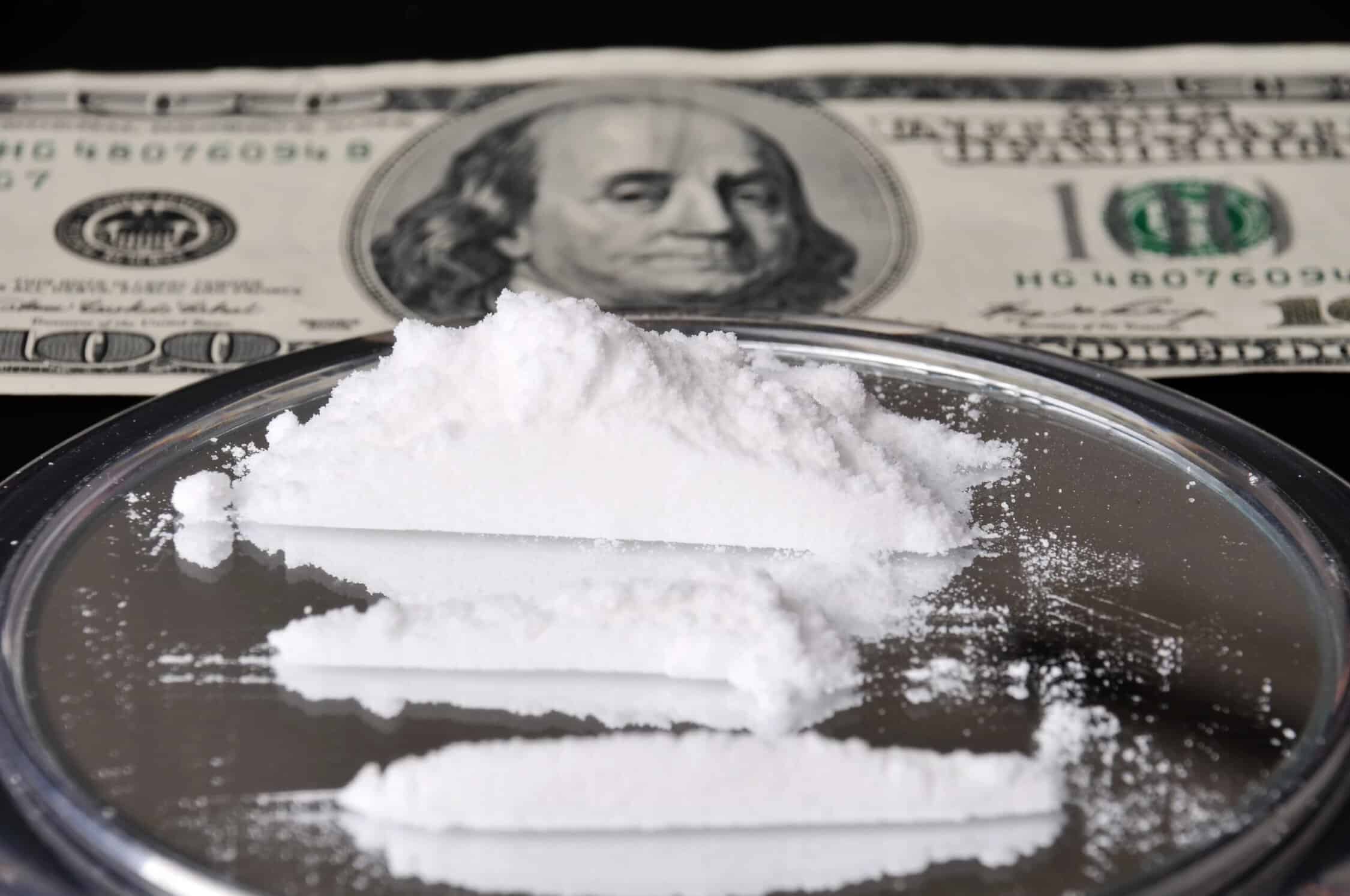
Watching someone you care about struggle with cocaine use can be a deeply painful and confusing experience. You see the person you know change, and it’s hard to understand the powerful hold this substance can have on them. Cocaine is often surrounded by myths and misinformation, making it even tougher to grasp what’s really happening.
Whether you’re concerned about yourself or a loved one, obtaining clear and honest information is the first step toward finding a path forward. It’s about understanding not just the temporary high, but the full picture, the immediate risks, the long-term impact on health and well-being, and most importantly, knowing that help is available. This isn’t a journey you have to take alone. We’re here to walk you through the effects of cocaine with compassion and clarity, so you can make informed decisions for a healthier future.
Short-term side effects of cocaine
When someone uses cocaine, they experience an immediate and powerful rush of euphoria. This happens because the drug floods the brain’s reward circuits with dopamine, a chemical messenger linked to pleasure and motivation. This surge is what causes the intense feelings of happiness, energy, and confidence. A person may become much more talkative, feel mentally alert, and have a decreased need for sleep or food. The short-term effects are what draw people in, creating a powerful desire to experience that feeling again.
At the same time, the body goes into high alert. The immediate physical effects can be dangerous and put a significant strain on the cardiovascular system. You might notice constricted blood vessels, dilated pupils, and a spike in body temperature. More seriously, cocaine use leads to a rapid increase in both heart rate and blood pressure, which can be incredibly risky, especially for anyone with underlying heart conditions. These effects can also trigger feelings of restlessness, irritability, anxiety, and paranoia, even after just one use.
Coming down
The intense high from cocaine is short-lived, and what follows is often an equally intense “crash” or comedown. As the drug’s effects wear off, the brain’s depleted supply of dopamine leads to a sharp reversal of the euphoric feelings. This crash is marked by a deep sense of depression, anxiety, and extreme fatigue. A person may feel irritable and agitated, and the most overwhelming part of the comedown is often the powerful cravings for more cocaine to escape these negative feelings. This cycle of high and crash is what fuels the progression from use to dependence.
Long-term effects of cocaine
While the short-term high of cocaine fades quickly, the long-term effects can cause lasting and severe damage to nearly every part of the body. Over time, what started as recreational use can lead to life-altering health problems. The strain on the heart, brain, and other organs builds up, and the consequences can be devastating. Understanding these long-term problems is crucial because they often develop silently until a major medical event occurs.
Prolonged cocaine use can lead to a wide range of serious health issues. Here are some of the most significant long-term effects:
- Cardiovascular damage. The heart is under constant stress from increased heart rate and blood pressure. This can lead to heart attack, stroke, and aortic ruptures, even in young people with no prior history of heart disease.
- Neurological issues. Chronic use can cause permanent changes in the brain. This can result in seizures, headaches, and movement disorders. Brain damage can also impair cognitive functions like memory and attention.
- Respiratory problems. Snorting cocaine severely damages the nasal passages, leading to a loss of smell, chronic nosebleeds, and perforation of the nasal septum (the wall between nostrils). Smoking crack cocaine can cause lung damage and worsen asthma.
- Gastrointestinal issues. Cocaine restricts blood flow, which can cause ulcers and even decay of the stomach or intestines.
- Mental health decline. Long-term use is strongly linked to severe depression, anxiety, paranoia, and psychosis. Some people experience auditory hallucinations, hearing things that aren’t there.
Withdrawal from cocaine
With repeated use, the brain starts to adapt to the constant flood of dopamine, a process known as developing a tolerance. This means a person needs to use more and more cocaine to achieve the same level of high they once felt. As tolerance builds, the brain begins to rely on the drug to feel “normal,” which is the start of dependence. This quickly escalates to a cocaine use disorder, or addiction, which is defined by compulsive drug-seeking and use despite harmful consequences. The question of whether cocaine is addictive is one with a clear answer: its impact on the brain’s reward system makes it one of the most psychologically addictive substances.
When someone dependent on cocaine stops using, they experience withdrawal. Cocaine withdrawal symptoms are primarily psychological and can be incredibly difficult to endure. They include intense cravings, severe depression, exhaustion, anxiety, and an inability to feel pleasure. These symptoms are the brain’s way of reacting to the absence of the drug it has come to depend on. This challenging withdrawal phase is often what makes it so hard for people to quit without professional support.
Phases of withdrawal
The withdrawal process from cocaine typically happens in stages, though the experience can vary from person to person. Understanding these phases can help you know what to expect.
- The crash. This initial phase begins within a day or two after the last use. It’s characterized by exhaustion, increased appetite, and a depressed mood.
- Acute withdrawal. Lasting for one to two weeks, this phase brings intense cravings, anxiety, irritability, and continued depression. This is often the most difficult period.
- Post-acute withdrawal. This phase can last for months. While the intense physical symptoms fade, lingering psychological withdrawal symptoms like mood swings, fatigue, and intermittent cravings can continue.
What are the risks of using cocaine?
Beyond the long-term damage, using cocaine carries immediate, life-threatening risks every time it’s used. A cocaine overdose can happen to anyone, even a first-time user, and it is a medical emergency. The signs of an overdose include a dangerously high heart rate, heart attack, stroke, seizures, and respiratory arrest (stopping breathing). The intense stimulation can overwhelm the body’s systems, leading to sudden death.
The danger skyrockets when cocaine is mixed with other substances. Combining it with alcohol is particularly risky because the two substances create a new chemical in the liver called cocaethylene, which increases the toxic effects on the heart. An even greater threat today is the presence of fentanyl, a powerful synthetic opioid, in the illicit drug supply.
Many people use cocaine contaminated with fentanyl without knowing it, which can quickly lead to a fatal opioid overdose. According to the National Institute on Drug Abuse, fentanyl is 50 to 100 times more potent than morphine. Other risks include contracting infectious diseases like HIV or hepatitis C from injecting, as well as severe financial, legal, and relationship problems that stem from addiction.
What are the treatment options for cocaine use disorder?
If you or someone you love is struggling with cocaine use, it’s important to know that recovery is absolutely possible. The journey might feel daunting, but you don’t have to face it alone. While there are currently no FDA-approved medications specifically for treating cocaine addiction, behavioral therapies have proven to be highly effective in helping people achieve and maintain sobriety. The key is finding a comprehensive treatment program that addresses the whole person, not just the substance use.
At Kentucky Addiction Treatment, we offer access to medical detox to safely manage withdrawal symptoms in a supportive environment. From there, treatment may transition to an inpatient program for intensive, round-the-clock care, or to an outpatient program like a partial hospitalization program (PHP) or intensive outpatient program (IOP) that allows for more flexibility. A crucial part of our approach is dual diagnosis treatment, which addresses co-occurring mental health conditions like depression or anxiety alongside the cocaine use disorder. To truly heal, it’s vital to treat both conditions at the same time.
Cognitive-behavioral therapy (CBT)
Cognitive-behavioral therapy, or CBT, is a cornerstone of effective addiction treatment. This approach helps you recognize the connections between your thoughts, feelings, and actions. In therapy, you’ll learn to identify the triggers and harmful thought patterns that lead to cocaine use. More importantly, CBT equips you with practical and healthy coping skills to manage cravings and deal with stressful situations in a new way, empowering you to break the cycle of addiction.
Contingency Management (CM)
Contingency management (CM) is a therapeutic approach that provides positive reinforcement for meeting recovery goals. It works by offering motivational incentives, like vouchers or small rewards, for objective proof of abstinence, such as negative drug tests. This method helps strengthen the commitment to staying sober by providing tangible rewards for positive behaviors, which can be especially effective in the early stages of recovery when motivation can be a challenge.
Frequently asked questions
The side effects of cocaine affect both the mind and body. A person might feel euphoric, energetic, and overly confident, but these feelings can quickly turn to anxiety, paranoia, and irritability. Physically, cocaine use puts major stress on the heart by increasing heart rate and blood pressure.
Other physical effects can include dilated pupils, restlessness, and a decreased appetite. After the initial high wears off, a person often experiences a “crash,” leading to feelings of depression and exhaustion.
Cocaine withdrawal symptoms are primarily psychological and can be very challenging. The most common symptoms include intense cravings for the drug, severe depression, exhaustion, and feeling unable to experience pleasure. Many people also struggle with anxiety, agitation, and vivid, unpleasant dreams.
These symptoms occur because the brain is trying to readjust to functioning without the substance. The discomfort of withdrawal is often what makes it so difficult for people to stop using without professional support.
Mixing cocaine with other drugs or alcohol is extremely dangerous and significantly increases health risks. When cocaine and alcohol are used together, they create a toxic substance in the liver called cocaethylene, which intensifies the strain on the heart and raises the risk of sudden death.
Combining cocaine with opioids like fentanyl, even accidentally, is a primary cause of fatal overdose. The stimulating effects of cocaine can mask the sedative effects of opioids, leading a person to use a lethal amount without realizing it.
Helping a loved one with a cocaine addiction starts with compassion and clear boundaries. Try to have an open, non-judgmental conversation, expressing your concern and encouraging them to seek professional treatment. Offer to help them find a therapist or a reputable treatment center.
It’s also important to take care of yourself. Setting boundaries, avoiding enabling behaviors, and seeking your own support through therapy or family support groups can make a huge difference for both you and the person you’re trying to help.
Cocaine use is a significant public health issue in the U.S. and around the world. Millions of people report using cocaine each year, with the highest rates often seen among young adults. Many individuals who use cocaine also struggle with a cocaine use disorder, which is the clinical term for addiction.
If you or someone you care about is dealing with cocaine use, it’s important to know you are not alone. Help is available, and many people successfully find a path to recovery through treatment and support.
The time cocaine remains detectable in your body depends on many factors, including how much and how often you use it, your metabolism, and the type of drug test being used. For a casual user, cocaine can typically be found in urine for 2 to 4 days.
For people who use it heavily or frequently, it may be detectable for a week or more. Blood and saliva tests have a shorter detection window, usually up to 48 hours, while hair follicle tests can detect cocaine for up to 90 days.
Where to get help for the effects of cocaine
Deciding to seek help for cocaine addiction is a courageous first step, and with the right support, lasting recovery is within reach. You don’t have to navigate this path alone. At Kentucky Addiction Treatment, we provide access to compassionate, expert care for individuals and families across the state who are ready to heal. The process is completely confidential, starting from your very first call. We’re here to listen without judgment, answer your questions, and help you create a personalized treatment plan that fits your needs.
It’s time to take back control of your life. If you’re ready to learn more about our programs, call us today for a confidential assessment at (888) 771-8718. You can also take a moment to verify your insurance online. Reaching out is the first step toward a brighter, healthier future, and the compassionate team at Kentucky Addiction Treatment is here to support you every step of the way. Please don’t hesitate to contact us to begin your journey.
Sources
- U.S. Drug Enforcement Administration. (n.d.). Cocaine (Street Names: Coke, Snow, Crack, Rock). U.S. Department of Justice.
- National Center for Biotechnology Information. (June 18, 2015). Cocaine | C17H21NO4 | CID 446220. PubChem.
- Duke University. (March 25, 2015). Chemical Characteristics of Cocaine. PEP Project.
- U.S. Drug Enforcement Administration. (2024). Annual Cocaine Report. U.S. Department of Justice.
- National Center for Biotechnology Information. (May 1, 2004). The Neurobiology of Cocaine Addiction. Advances in Pharmacology.
- Thomas Jefferson University. (January 1, 2024). Cocaine Effects on Norepinephrine in the Amygdala. Sidney Kimmel Medical College.
- New Jersey Department of Human Services. (n.d.). Cocaine. Division of Mental Health and Addiction Services.
- National Center for Biotechnology Information. (March 22, 2006). Cocaine Increases Dopamine Release by Mobilization of a Synaptic Reserve Pool. Journal of Neuroscience.
- National Library of Medicine. (January 8, 2025). Cocaine withdrawal. MedlinePlus.
- National Center for Biotechnology Information. (March 27, 1997). Neural mechanisms of tolerance to the effects of cocaine. Behavioural Brain Research.
- National Center for Biotechnology Information. (June 8, 2023). Cocaine Toxicity. StatPearls.
- National Institute on Drug Abuse. (June 6, 2025). Fentanyl. National Institutes of Health.
- U.S. Drug Enforcement Administration. (May 24, 2024). Facts about Fentanyl. U.S. Department of Justice.
- U.S. Food and Drug Administration. (August 31, 2016). FDA warns about serious risks and death when combining opioid pain or cough medicines with benzodiazepines. U.S. Department of Health and Human Services.
- Centers for Disease Control and Prevention. (January 31, 2025). Drinking Alcohol While Using Other Drugs Can Be Deadly. U.S. Department of Health and Human Services.
- Substance Abuse and Mental Health Services Administration. (September 24, 2025). Home. U.S. Department of Health and Human Services.
- FindTreatment.gov. (n.d.). FindTreatment.gov: Home. Substance Abuse and Mental Health Services Administration.
- Centers for Medicare & Medicaid Services. (n.d.). Mental health & substance use disorders. U.S. Department of Health and Human Services.
- Centers for Medicare & Medicaid Services. (n.d.). Mental health & substance abuse coverage. U.S. Department of Health and Human Services.
- University of Kentucky. (n.d.). Supportive Mental Health and Addiction Recovery Treatment. UK HealthCare.
- National Center for Biotechnology Information. (July 7, 2020). Tracking the Quality of Addiction Treatment Over Time and Across States. Psychiatric Services.