
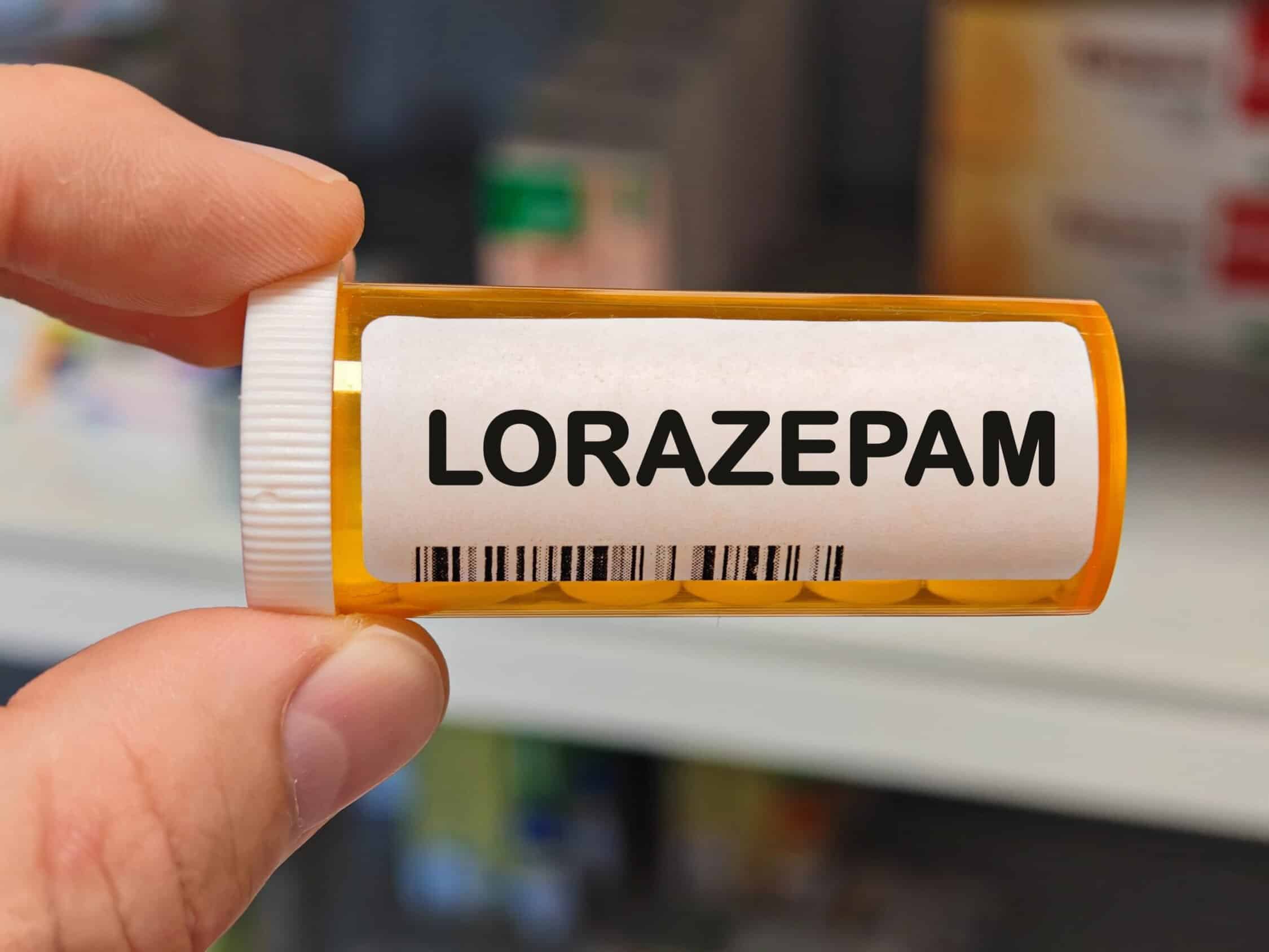
If you’ve been prescribed lorazepam, you might be wondering about its effects and how it can impact your life. It’s a medication that can bring much-needed relief, but it’s also one that comes with questions and concerns about its potential for addiction. You’re not alone in asking, “Is lorazepam addictive?” It’s a valid and important question. Understanding this medication is the first step toward using it safely and recognizing when it might be time to seek support. We’re here to walk through this with you, providing clear, straightforward information to help you feel informed and empowered.
What is lorazepam?
Lorazepam, most commonly known by the brand name Ativan, is a prescription medication that belongs to a class of drugs called benzodiazepines. Think of it as a way to gently turn down the volume on an overactive nervous system. Its primary job is to enhance the effects of a natural calming chemical in your brain called gamma-aminobutyric acid, or GABA. When GABA activity increases, your brain activity slows down, leading to feelings of relaxation and calm.
Because of this calming effect, doctors prescribe lorazepam to manage several conditions. It’s most frequently used for the short-term treatment of anxiety disorders, panic attacks, and insomnia related to anxiety. It can also be used to prevent or stop seizures. It’s important to know that lorazepam is typically recommended for short-term use, usually just two to four weeks. This is because using it for longer can increase the risk of developing a dependence on the medication. If you’re concerned about this, learning more about benzodiazepine addiction can provide additional context.
Is lorazepam addictive?
So, to answer the main question directly: yes, lorazepam has a significant potential for addiction. It’s a reality that’s important to face with clear eyes, not with fear. When you take lorazepam regularly, your body starts to adapt. This leads to two key developments: tolerance and physical dependence.
Tolerance means that over time, you might need a higher dose of the medication to get the same calming effect you felt at the beginning. Physical dependence is when your body gets so used to the drug’s presence that it feels “normal” to have it in your system. If you suddenly stop taking it, you’ll likely experience uncomfortable withdrawal symptoms.
It’s crucial to understand that physical dependence isn’t the same as addiction, which is also known as a substance use disorder. Addiction involves compulsive drug-seeking and use, despite knowing the negative consequences it’s having on your life. For many people who follow their doctor’s instructions, addiction is less likely. The risk is lowest when you take a low dose for a short period, typically two to four weeks. The medication’s effect on the brain’s reward system is what creates this risk, as it can reinforce the desire to keep taking the drug. The neural bases for the addictive properties of benzodiazepines involve complex changes in brain chemistry that can lead to compulsive use.
Signs of Ativan misuse
Recognizing the signs of lorazepam addiction can feel overwhelming, but knowing what to look for is a powerful first step. You might be asking yourself, “How do I know if I’m addicted to lorazepam?” It often starts with subtle changes that can be easy to dismiss. If you’re worried about yourself or someone you care about, here are some common signs, broken down by category.
Pay attention to these patterns. Noticing them isn’t about judgment; it’s about awareness. It’s the first step toward getting help.
- Physical signs. These are changes you can see or feel in your body. They often include persistent drowsiness, impaired coordination or feeling unsteady, slurred speech, and muscle weakness.
- Psychological signs. These affect your thoughts and feelings. You might experience confusion, memory problems, unusual mood swings, or increased anxiety when you can’t take the medication. You may also feel strong cravings for the drug.
- Behavioral signs. These are changes in your actions. This can include “doctor shopping” (visiting multiple doctors to get more prescriptions), hiding your use from others, neglecting responsibilities at work or home, and spending a lot of time and energy trying to get and use lorazepam.
What are the effects and risks of long-term Ativan use?
While Ativan can be a helpful tool for short-term relief, using it for an extended period carries serious risks. Over time, the body and brain can be significantly impacted, leading to health complications that go far beyond the initial condition it was meant to treat. Understanding these long-term effects is key to making informed decisions about your health and knowing when to seek support.
Long-term health risks
One of the most concerning long-term risks involves cognitive function. Prolonged use of benzodiazepines like Ativan has been linked to memory problems, slowed thinking, and difficulty concentrating. Some research has pointed to a troubling connection with dementia.
For instance, studies have suggested that taking a benzodiazepine for more than six months could significantly boost the risk of developing Alzheimer’s disease. Beyond cognitive issues, long-term use can also affect physical health. For individuals with pre-existing respiratory conditions like COPD, Ativan can suppress breathing, potentially worsening their symptoms and leading to serious complications.
Ativan addiction and polysubstance use
The dangers of Ativan addiction are magnified when it’s mixed with other substances, a practice known as polysubstance use. Combining Ativan with other central nervous system depressants like opioids or alcohol can be life-threatening. These substances all slow down brain activity, and when taken together, their effects are amplified, creating a high risk of severe sedation, respiratory depression, coma, and fatal overdose.
Statistics from the CDC are stark, showing that a high percentage of benzodiazepine-involved deaths also involved opioids. Research from NIDA further highlights the dangers, explaining how benzodiazepines and opioids both suppress breathing, making their combination especially deadly. Taking these substances together creates a serious risk of a fatal overdose, which is why it’s so important to understand the dangers of mixing substances.
Ativan withdrawal
If you’ve developed a physical dependence on Ativan, stopping or reducing your dose will likely cause withdrawal symptoms. This happens because your body is trying to readjust to functioning without the medication. It’s a challenging but temporary phase on the path to recovery. Quitting “cold turkey” is especially dangerous and strongly discouraged. The withdrawal process can be not only intensely uncomfortable but also medically risky without professional support.
For your safety and comfort, medically supervised detox is the recommended first step. In a medical detox setting, you are monitored around the clock by professionals who can manage your symptoms and ensure you withdraw safely. Some common withdrawal symptoms include:
- Rebound anxiety and panic attacks
- Insomnia and restlessness
- Irritability and agitation
- Nausea, sweating, and headaches
- Tremors or shaking
- Severe effects like hallucinations or seizures
Without proper medical care, these symptoms can become severe. It’s estimated that a significant percentage of people who attempt to withdraw without support experience serious effects. A structured medical detox program provides the safest environment to begin your recovery journey.
Lorazepam addiction treatment
Navigating the path to recovery from Ativan addiction is a journey you don’t have to take alone. Professional treatment is the most effective way to heal, providing the structure, support, and tools you need for lasting change. At Kentucky Addiction Treatment, we offer a full continuum of care tailored to your unique needs, starting from the moment you decide to get help.
The process often begins with medical detox to safely manage withdrawal symptoms. From there, care transitions to programs like inpatient or residential care, which offer an immersive, supportive environment, or outpatient programs like a partial hospitalization program (PHP) or intensive outpatient program (IOP), which provide flexibility.
A cornerstone of effective treatment is dual diagnosis support. Since lorazepam is often prescribed for anxiety, it’s vital to address the underlying mental health condition. Our dual diagnosis treatment helps you heal from both addiction and anxiety, reducing the risk of relapse. Through evidence-based therapies like cognitive behavioral therapy (CBT), individual counseling, and group support, you’ll build the skills needed for a healthier future. If you recognize these signs in yourself or a loved one, our team is here to help. Call us for a confidential assessment.
Frequently asked questions
Signs of Ativan misuse may include taking higher doses than prescribed, using lorazepam to cope with stress or sleep difficulties, craving the medication, or continuing use despite negative consequences. Some people may also experience memory problems, extreme sedation, or difficulty functioning without the drug, which can signal a developing substance use disorder.
Mixing lorazepam with other drugs, alcohol, or other CNS depressants greatly increases the risk of extreme sedation, breathing problems, and overdose. Combining benzodiazepines with other substances is a common factor in serious injuries and life-threatening outcomes related to substance abuse.
Yes, lorazepam (brand name Ativan) can be addictive. It belongs to the benzodiazepine class of medications, which act on the central nervous system to produce a calming effect. With regular use, the body can develop physical dependence, increasing the risk of lorazepam addiction or Ativan addiction, especially when the medication is misused or taken longer than prescribed.
Getting help for lorazepam addiction
While lorazepam is an effective medication for many, its potential for addiction is real and deserves respect and caution. The most important thing to remember is that recovery is not just possible, it’s expected when you have the right support system around you. Acknowledging that you need help is an act of incredible strength, and it’s the first and most important step toward reclaiming your life.
You don’t have to walk this path alone. If you’re ready to take that first step, our compassionate team at Kentucky Addiction Treatment is here to guide you. We offer the expertise and understanding you need to move forward toward a healthier, brighter future. You can start today by calling us at (888) 771-8718 or contact us. A better life is waiting for you.
Sources
- NCBI Bookshelf. (May 25, 2024). Lorazepam. NCBI Bookshelf.
- MedlinePlus. (November 15, 2025). Lorazepam: MedlinePlus drug information. MedlinePlus.
- Food and Drug Administration. Ativan label. Food and Drug Administration.
- PubMed. (2005). Benzodiazepine use, abuse, and dependence. PubMed.
- Tan, K. R., Rudolph, U., & Lüscher, C. (February 11, 2010). Neural bases for addictive properties of benzodiazepines. PMC.
- Substance Abuse and Mental Health Services Administration. (June 9, 2023). SAMHSA’s national helpline. Substance Abuse and Mental Health Services Administration.
- Zhong, Y., et al. (October 12, 2023). Benzodiazepine use and the risk of dementia in the elderly. PMC.
- Schaeffer Center for Health Policy & Economics. (July 20, 2022). Benzodiazepines don’t increase dementia risks in older adults, USC study finds. University of Southern California.
- National Institute on Drug Abuse. (November 7, 2022). Benzodiazepines and opioids. National Institute on Drug Abuse.
- Centers for Disease Control and Prevention. (October 10, 2014). Alcohol involved in opioid pain reliever and benzodiazepine. Centers for Disease Control and Prevention.
- PubMed. The benzodiazepine withdrawal syndrome. PubMed.
- Kattimani, S., & Jayadevan, R. (September 2015). Alcohol withdrawal syndrome: Benzodiazepines and beyond. PMC.
- National Institute on Drug Abuse. (July 6, 2020). Treatment and recovery. National Institute on Drug Abuse.
- Substance Abuse and Mental Health Services Administration. (January 2, 2026). Co-occurring disorders and other health conditions. Substance Abuse and Mental Health Services Administration.
- McGovern, M. P., et al. (2003). Evidence-based practices for substance use disorders. PMC.
- National Center for Biotechnology Information. (2000). Chapter 5. Treatment entry and engagement. National Center for Biotechnology Information.
- Bassuk, E. L., et al. (October 6, 2010). Enabling or engaging? The role of recovery support services. PMC.