
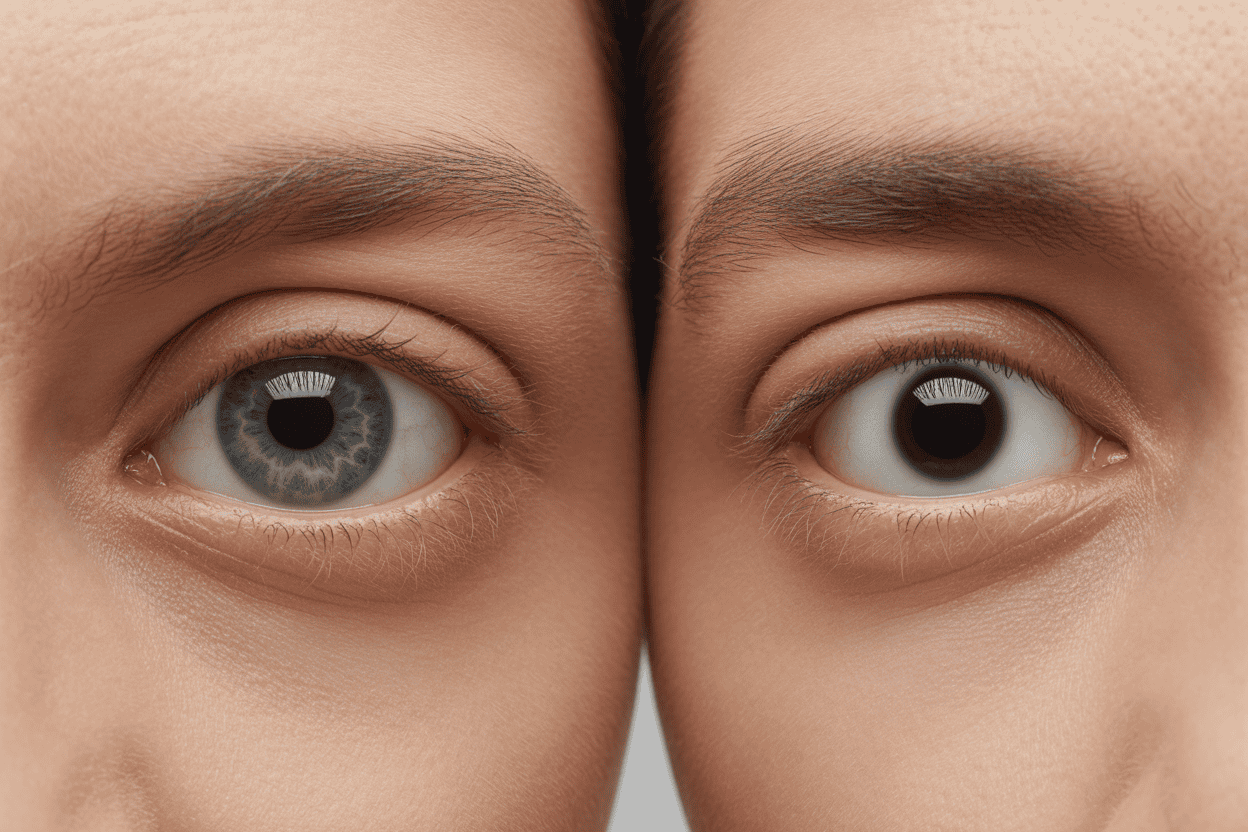
If you’ve ever noticed someone’s pupils looking unusually tiny and wondered what it could mean, you’re not alone. Understanding what drugs make your pupils small can actually give you important insight into how certain substances affect the body. Pupil size isn’t random; it’s controlled by the nervous system, and specific drugs can cause the pupils to constrict, sometimes dramatically. This can be one of the more visible physical signs that something is going on beneath the surface, especially when it comes to substance use. In this guide, we’re going to walk through what causes this reaction, which drugs are most commonly involved, and why it matters for your health and safety.
A comprehensive list: drugs that cause pinpoint pupils
While opioids are the most frequent and dangerous cause, they are certainly not the only answer to what drugs make your pupils small. A surprisingly wide variety of substances can trigger miosis, the medical term for abnormal pupil constriction. Understanding the full range of drugs that cause pinpoint pupils is incredibly important for avoiding snap judgments, unnecessary panic and finding opioid rehab in Kentucky. Drug impairment can look very similar across completely different medication classes. Breaking these substances down by category helps clarify exactly what you might be seeing in a family member.
Opioids and prescription painkillers
Prescription opioids are heavily regulated by doctors, but they are still widely accessible in many medicine cabinets. Medications like hydrocodone, codeine, and morphine are extremely well-known for causing severe pupil constriction. These drugs bind tightly to specific receptors in the brain to block pain signals from reaching the nervous system. A major, life-threatening risk factor today is polydrug use. Mixing these potent painkillers with other substances, like alcohol or sedatives, dramatically increases the risk of a fatal respiratory overdose. If someone is combining multiple pills, the physical signs in their eyes often become even more pronounced and noticeable.
Non-opioid medications and sedatives
Several non-opioid medications can also dramatically affect pupil size. Clonidine, a medication frequently prescribed by doctors for high blood pressure, reliably causes pinpoint pupils. This specific effect happens because the drug acts on central noradrenergic pathways deep in the brain. Sedatives and antipsychotics can also play a major role in eye changes. Drugs like diazepam might cause miosis under certain specific lighting conditions. Learning about commonly abused prescription drugs is a very helpful step for families navigating these confusing and overlapping symptoms.
Eye drops and glaucoma treatments
Sometimes, the explanation for tiny pupils is completely harmless and purely medical. Certain medicated eyedrops are specifically designed to constrict the pupil to treat specific eye diseases. For example, a medication called pilocarpine is frequently used by doctors to treat glaucoma. These specialized drops physically force the iris to contract in order to relieve dangerous pressure building up inside the eye. You must always consider the broader context when evaluating physical symptoms. A quick, open conversation about recent eye doctor visits or new prescription eye drops can quickly clear up any unnecessary worry.
The connection between opioid use and pinpoint pupils
When you start wondering what drugs make your pupils small, opioids are often the first substance that comes to mind. This is a very common question for families in our community who are paying close attention to their loved ones. The connection between drug use and pinpoint pupils is deeply tied to how these powerful substances interact with the central nervous system. Opioids trigger a very specific excitatory action deep within the brainstem. This complex action overstimulates the oculomotor nerve, which in turn forces the iris muscles to constrict the pupil tightly. It is a biological response that the person using the drug cannot control.
In Kentucky, we have seen the devastating impact of this crisis firsthand. Many people recognize these abnormally small pupils as one of the primary opioid addiction signs. The most common opioids affecting our local neighborhoods include heavily prescribed painkillers like oxycodone, as well as highly dangerous illicit substances like heroin and fentanyl. Methadone, which is often used safely in medical recovery settings, can also cause this exact same physical change.
According to authoritative state reports, Kentucky thankfully saw a decline in overdose deaths in 2024. However, the danger is far from over. Fentanyl was still present in over sixty percent of those fatal cases. Our Appalachian counties continue to be hit especially hard by this ongoing epidemic. Seeing constricted pupils may indicate that a loved one is actively using these powerful substances. It is a clear sign that their delicate brain chemistry is being altered in real time.
Understanding the physiology of opioid receptors helps us view addiction clearly as a medical condition, rather than a moral failing. These receptors are distributed throughout the nervous system, and when drugs bind to them, the body reacts instantly. If you notice these physical signs, it does not mean you have to panic or assume the worst. However, it does mean it might be time to look into Kentucky opioid treatment options. Taking that proactive step can bring lasting healing to both the person struggling and their entire family network.
Understanding pinpoint pupils causes beyond substances
Before jumping to the worst possible conclusion, it really helps to fully understand pinpoint pupils causes beyond illicit drug use. Not every physical change points directly to a hidden substance use disorder. Several complex medical conditions can easily mimic the physical effects of opioids on the eyes. Knowing these medical alternatives can prevent painful misunderstandings and guide you toward the right type of professional medical help.
Horner syndrome
One well-known neurological condition that results in unequal pupil sizes is Horner’s syndrome. This rare disorder disrupts the delicate nerve pathways connecting the brain to the face and eyes. It typically causes noticeable miosis in just one eye, usually occurring alongside a drooping upper eyelid and a lack of sweating on that side of the face. Cluster headaches are another incredibly painful medical condition that can lead to temporary, severe pupil constriction. During a cluster headache attack, the trigeminal nerve activates strongly, which causes the pupil on the painful side of the head to shrink down significantly.
Eye inflammation
Severe eye inflammation is yet another common medical culprit. Health conditions like uveitis and iritis cause the colored part of the eye to swell up painfully. This internal swelling physically prevents the pupil from opening properly, locking it in a constricted state. In much more severe medical cases, a brainstem stroke or a traumatic head injury can permanently damage the nervous system pathways. This severe trauma forces the pupils to remain in a fixed, tiny state.
Because all of these symptoms overlap so closely with substance use, getting a professional medical opinion is absolutely crucial. We always strongly recommend consulting trusted ophthalmologists or a primary care doctor for an accurate, unbiased diagnosis. They have the proper medical tools to measure light reactivity and nerve function properly. By ruling out these serious medical conditions first, you can then focus on addressing the real issue with clarity, patience, and deep compassion for your loved one.
What do pinpoint pupils (Miosis) look like?
Many concerned parents and spouses wonder exactly what pinpoint pupils look like in real, everyday life. Under normal room lighting, a healthy adult pupil diameter generally ranges from three to five millimeters. When you walk outside into bright sunlight, the pupil naturally shrinks down to two or three millimeters to protect the sensitive retina from damage. However, true pinpoint pupils remain abnormally small, often measuring 2 millimeters or less. The most telling sign is that they stay locked in this tiny, constricted state even in a dimly lit room where they should naturally expand to let more light in.
| Substance or Condition | Effect on pupils | Other accompanying signs |
|---|---|---|
| Opioids | Miosis (constriction) | Drowsiness, slowed breathing, nodding off |
| Stimulants | Mydriasis (dilation) | Rapid heart rate, hyper-alertness, sweating |
| Horner’s Syndrome | Miosis in one eye | Drooping eyelid, lack of facial sweating |
This specific condition is starkly different from dilated pupils, which is known in the medical field as mydriasis. Dilated pupils expand widely, often taking over the vast majority of the colored iris. This wide-eyed reaction is frequently caused by nervous system stimulants. For instance, cocaine pupil dilation effects are very noticeable and can last for hours after use. Methamphetamine also causes severe, prolonged pupil dilation due to the massive release of adrenaline and dopamine it triggers in the brain.
You can usually spot pinpoint pupils simply by looking someone directly in the eyes during a normal conversation. Their eyes might look slightly glassy, or the eye color might look unusually bright simply because so much of the colored iris is visible around the tiny black center. If you notice this persisting regardless of the room lighting, it is a very significant physical clue that something is altering their central nervous system.
Comparing these specific visual signs helps families piece together what might actually be happening behind closed doors. While miosis points strongly toward central nervous system depressants like opioids, mydriasis points toward nervous system stimulants like meth or cocaine. Knowing the difference empowers you to ask the right questions.
Identifying substance abuse: when to seek help in Kentucky
Spotting tiny pupils is very often the first step in identifying substance abuse in someone you care deeply about. However, miosis alone does not guarantee that someone is misusing drugs.
Spotting tiny pupils is often one of the first things people notice, but it’s only one piece of the picture. If you’re trying to understand what’s really going on, you have to zoom out and look at the full pattern of changes in someone’s body and behavior. When multiple signs start showing up together, that’s when it’s time to pay closer attention and lean in with care and concern.
Extreme drowsiness or “nodding off”
One of the biggest red flags is when someone can’t stay awake. They may drift in and out of sleep mid-conversation or seem unusually hard to keep engaged. This isn’t just being tired. It can feel sudden and almost impossible for them to control.
Slowed or shallow breathing
Breathing changes are serious and should never be ignored. You might notice their breathing is slower than normal or seems shallow and uneven. This is especially concerning because it can quickly become life-threatening with certain substances.
Confusion or mental fog
They may seem out of it or disconnected from what’s happening around them. Simple conversations can become difficult. They might forget what they were saying or struggle to follow along.
Pinpoint pupils that don’t react to light
While small pupils can happen for different reasons, drug-related miosis often looks very distinct. The pupils stay tiny even in low light and don’t expand the way they normally should.
Slurred or slow speech
Speech can become delayed, mumbled, or hard to understand. It may sound like their thoughts can’t quite keep up with their words.
Changes in skin color or appearance
In more serious situations, you might notice pale, clammy skin or even a bluish tint around the lips or fingernails. This can be a sign that the body isn’t getting enough oxygen.
Unusual sounds while sleeping
Gurgling, choking, or snoring-like sounds while they’re asleep can actually be a warning sign of breathing distress. This is something people often overlook, but it’s important.
Noticing pinpoint pupils? How to find help
Understanding the opioid rehab center process can make the entire journey feel much less intimidating for everyone involved. Professional treatment is never about punishment or shame. It’s entirely about healing broken families and rebuilding healthy, sustainable lives. Comprehensive rehabilitation programs offer a safe, structured space to address the deep-rooted causes of addiction, including past trauma and mental health struggles.
If you have noticed these subtle physical changes in someone you love, it’s incredibly normal to feel worried and overwhelmed. What drugs make your pupils small is a question born out of deep care and concern for their well-being. Our team at Kentucky Addiction Treatment understands the unique challenges facing our local communities, and we are here to provide evidence-based, compassionate care. Give us a call today at (888) 771-8718 or contact us today.
FAQ
The most common answer to what drugs make your pupils small is opioids. This includes substances like heroin, morphine, and prescription painkillers that act on opioid receptors in the brain. These drugs affect the autonomic nervous system and cause the pupils to constrict, even in dim light. Other drugs and certain medications can also lead to small pupils, but opioids are the most well-known cause, especially in cases of substance abuse.
Pinpoint pupils are extremely small, constricted pupils that don’t respond normally to light. Under normal functioning, pupils adjust based on how much light is entering the eye. When pupils stay very small in both bright light and low light conditions, it can point to an underlying cause like drug use, neurological conditions, or issues affecting the brain stem.
Yes, several medical conditions can cause constricted pupils. Conditions like Horner syndrome, brainstem stroke, head injury, or other neurological conditions can affect pupil size. You might also notice symptoms like a drooping eyelid, double vision, or involuntary eye movements depending on the underlying condition. This is why it’s important to seek professional evaluation if something feels off.
Absolutely. In bright light, pupils naturally constrict to limit the amount of light entering the eye. In low light conditions, pupils dilate to allow more light in. If someone’s pupils stay small regardless of lighting changes, it may suggest something beyond normal pupil constriction, such as drug use or a medical issue.
You should seek medical attention if small pupils are paired with concerning symptoms like confusion, eye pain, vision changes, high blood pressure, or signs of substance use. If there are more serious symptoms like trouble breathing, loss of consciousness, or signs of stroke, it’s critical to get immediate medical help. Healthcare professionals can help identify the underlying cause and guide appropriate treatment options.
Sources
- National Institutes of Health. (October 3, 2016). Digital Pupillometry in Normal Subjects. National Institutes of Health.
- StatPearls Publishing. (July 24, 2023). Physiology, Opioid Receptor. StatPearls Publishing.
- StatPearls Publishing. (January 22, 2025). Opioid Toxicity. StatPearls Publishing.
- National Institutes of Health. Illicit drugs: Effects on eye. National Institutes of Health.
- MedlinePlus. (April 1, 2013). Horner syndrome. MedlinePlus.
- National Institutes of Health. (April 10, 2015). Horner syndrome: clinical perspectives. National Institutes of Health.
- Kentucky Injury Prevention and Research Center, University of Kentucky. Drug Overdose Prevention. Kentucky Injury Prevention and Research Center, University of Kentucky.
- National Institutes of Health. (November 22, 2022). The prevalence of opioid use disorder in Kentucky’s counties. National Institutes of Health.
- U.S. Department of Justice. (August 24, 2018). Taking Action on the Opioid Crisis (Op-Ed). U.S. Department of Justice.
- Commonwealth of Kentucky. (May 1, 2025). Gov. Beshear: Kentucky Overdose Deaths Decline by 30.2% in 2024. Commonwealth of Kentucky.
- Office of the Governor, Kentucky. 2023 Drug Overdose Fatality Report. Office of the Governor, Kentucky.
- Centers for Disease Control and Prevention. (March 3, 2026). Vital Statistics Rapid Release – Provisional Drug Overdose Data. Centers for Disease Control and Prevention.
- National Institutes of Health. (January 1, 2000). Comparison of the effects of clonidine and yohimbine on pupillary reactions to light and darkness in normal subjects. National Institutes of Health.
- National Library of Medicine. (January 1, 1998). The effects of clonidine on the fear-inhibited light reflex. National Library of Medicine.
- National Library of Medicine. Cluster headache: combined assessment with pupillometry and evaporimetry. National Library of Medicine.
- National Institutes of Health. Cluster Headache: Epidemiology, Pathophysiology, Clinical Features, and Diagnosis. National Institutes of Health.
- University of Iowa. (February 21, 2005). EyeRounds.org: Horner’s Syndrome with Cluster Headache. University of Iowa.
- National Institutes of Health. (June 11, 2025). evidence from quasi-random auto-assignment in Kentucky. National Institutes of Health.
- American Society of Addiction Medicine. Medicaid Coverage of Medications for the Treatment of Opioid Use Disorder: Kentucky. American Society of Addiction Medicine.
- Kentucky Department for Medicaid Services. Substance Use Disorder (SUD) Demonstration Implementation Plan Amended. Kentucky Department for Medicaid Services.
- Office of Inspector General. FACTSHEET: Kentucky’s Oversight of Opioid Prescribing and Treatment for Opioid Use Disorder. Office of Inspector General.
- Illinois Department of Public Health. (November 25, 2025). Opioid Overdose Response. Illinois Department of Public Health.
- Centers for Disease Control and Prevention. (June 9, 2025). Preventing Opioid Overdose. Centers for Disease Control and Prevention.
- SAMHSA. (June 9, 2023). National Helpline for Mental Health, Drug, Alcohol Issues. SAMHSA.