
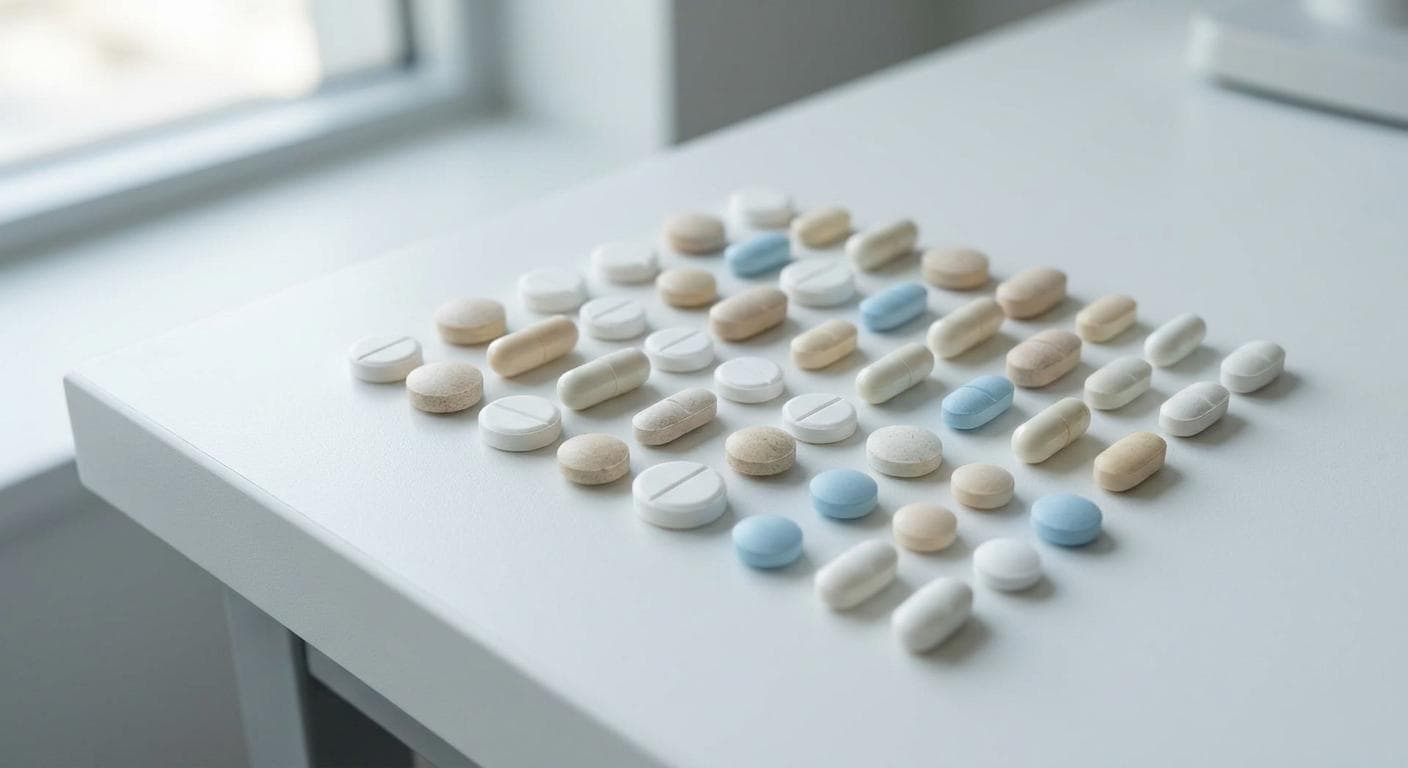
When people start learning about substance use, one of the first questions that comes up is the difference between uppers vs downers and how each one affects the body and mind. These two categories of drugs work in completely opposite ways, some speed everything up while others slow it down, and understanding that contrast can make it much easier to recognize the signs, risks, and impact of different substances. Whether you’re trying to make sense of your own experiences or you’re concerned about someone you love, breaking down uppers vs downers is an important step toward awareness and informed decision-making.
What are uppers and downers?
When you’re trying to make sense of a loved one’s erratic behavior, it helps to understand how different substances affect their brain and body. So, what are uppers and downers exactly? These are everyday terms used to describe two main categories of drugs. Medical professionals know them as central nervous system stimulants and depressants.
Stimulants, or uppers, work by speeding up the systems in your body. They cause a massive release of dopamine and other brain chemicals. This creates an intense rush of energy, alertness, and an elevated heart rate. You can learn more about how cocaine effects on brain chemistry work to create this dangerous surge.
On the other hand, depressants, or downers, do the exact opposite. They slow down brain activity and promote deep relaxation or heavy sedation. According to the National Institutes of Health, these central nervous system stimulants and depressants fundamentally alter how messages travel through the spinal cord.
For families in the early stages of seeking help, understanding these differences is a powerful first step. Recognizing whether a substance speeds someone up or slows them down helps you make sense of the behavioral changes you’re witnessing. This knowledge can remove some of the fear and mystery surrounding a substance use disorder.
Examples of uppers and downers drugs
Many uppers and downers start out as legitimate prescriptions sitting in family medicine cabinets. Over time, taking these psychoactive substances can lead to physical dependence and misuse. In Kentucky, we’ve seen this firsthand with the devastating impact of prescription painkillers. What begins as a treatment for an injury can sometimes evolve into a profound struggle with stimulant drugs or depressants. Whether a person is using illicit street drugs like meth or misusing pharmacy pills, knowing the categories can be incredibly helpful.
List of uppers and downers drugs
Here is a list of uppers and downers to help you quickly identify common substances.
Uppers (Stimulants):
- Cocaine
- Methamphetamine (often called meth)
- Adderall (It’s important to understand Adderall addiction risks, even though it’s legally prescribed)
- Ritalin
Downers (Depressants):
- Alcohol
- Benzodiazepines (such as Xanax and Valium)
- Barbiturates
- Opioids (including Fentanyl, heroin, and oxycodone)
Comparing uppers vs downers
To truly understand the risks of these substances, it helps to look at a direct comparison of the two categories. The physical action of uppers places extreme cardiovascular strain on the body. This often leads to rapid heartbeats, severe anxiety, and dangerous spikes in blood pressure.
| Feature | Stimulants | Depressants |
|---|---|---|
| Primary Effect | Increase alertness, energy, and attention. | Induce relaxation, sleep, and reduce anxiety. |
| Physical Action | Increase heart rate, blood pressure, and breathing. | low down heart rate, blood pressure, and breathing. |
| Medical Examples | Medications for ADHD or narcolepsy. | Benzodiazepines, barbiturates, and certain sleep aids. |
| Common Substances | Caffeine, nicotine, cocaine, meth. | Alcohol, opioids, prescription sedatives. |
| Risks | Anxiety, paranoia, and cardiovascular strain. | Drowsiness, coordination loss, and respiratory depression. |
Downers present entirely different dangers. Their primary risk involves CNS depression, which severely slows down the body’s natural rhythms. This can lead to a dangerous drop in respiratory functions. A person might experience profound coordination loss, making severe accidents more likely. When breathing slows down too much, it becomes a life-threatening medical emergency. Understanding these physical signs can help you recognize when a loved one needs immediate medical care.
Short-term vs long-term effects of uppers and downers
Understanding the difference between short-term and long-term effects can really help things “click.” A lot of substances don’t seem dangerous at first because the immediate effects can feel manageable—or even desirable. But over time, those same substances start to take a much heavier toll on both the body and mind.
What happens immediately after use
Right after using uppers or downers, the effects can feel very noticeable and very different depending on the substance.
Uppers (stimulants)
With uppers, people often experience a surge of energy, increased focus, and a sense of confidence or euphoria. Heart rate goes up, blood pressure can rise, and the body feels more alert. This is why stimulant drugs are sometimes used to treat conditions like ADHD—but outside of medical supervision, these effects can quickly become overwhelming or unsafe. Some people may also experience restlessness, rapid speech, or difficulty sleeping even after the initial effects wear off.
Downers (depressants)
Downers create the opposite experience. They slow everything down. A person may feel calm, relaxed, or even sleepy. Some substances are used to reduce anxiety or help induce sleep, but they also slow breathing and brain activity. In higher amounts, this sedative effect can become dangerous, especially when combined with other substances. You might also notice slowed reactions, slurred speech, or reduced coordination.
At this stage, the effects might seem temporary. But the body is already being pushed out of its normal balance.
What happens overtime with repeated use
This is where things start to shift in a more serious way. With ongoing use, both uppers and downers begin to change how the brain and body function.
Long-term effects of uppers
Stimulant use over time can lead to chronic anxiety, sleep disorders, and strain on the cardiovascular system. Elevated blood pressure can become a pattern, not just a temporary spike. People may feel constantly on edge or crash into deep fatigue when the effects wear off. Mental health can take a hit, with increased risk of paranoia, irritability, or depression. Over time, the brain may struggle to produce dopamine naturally, making it harder to feel motivated or experience pleasure without the substance.
Long-term effects of downers
With downers, the long-term effects often center around slowed brain activity and physical dependence. The body can begin to rely on the substance to feel calm or to sleep at all. This can lead to worsening mental health problems, memory issues, and difficulty functioning without the drug. In more serious cases, prolonged use of CNS depressants can increase the risk of overdose, especially as tolerance builds and higher doses are needed to feel the same effects.
What’s important to understand is that these changes don’t happen overnight. They build gradually, which is why substance misuse can be hard to recognize at first. Over time, what started as occasional use can begin to affect physical health, mental clarity, relationships, and overall quality of life. And that’s usually the point where support, structure, and treatment can make all the difference.
The dangers of mixing uppers and downers
The practice of combining uppers and downers is incredibly dangerous and sadly common. Medical professionals refer to this as polysubstance use. According to the Centers for Disease Control and Prevention, polysubstance use is involved in a significant number of overdose cases today. In fact, national data shows that 56% of drug-related medical emergencies involve multiple drugs taken at once.
When someone is mixing uppers and downers, their body receives deeply conflicting signals. This creates massive cardiovascular stress. The uppers tell the heart to beat faster, while the downers tell the lungs to stop breathing. This internal tug-of-war can cause sudden heart failure, stroke, or complete respiratory collapse. If you want to learn more about how multiple drugs interact, you can read about polysubstance use dangers. The increased chemical toxicity from mixing different classes of drugs makes the outcome highly unpredictable.
One of the most terrifying risks is the phenomenon of masked effects. Stimulants can artificially keep a person awake, masking the severe signs of a depressant overdose. A person might consume lethal amounts of alcohol or opioids without realizing it because the uppers make them feel alert. When the stimulant eventually wears off, the full, fatal weight of the depressant hits their system all at once.
Every person’s body reacts differently to chemical toxicity. Because the results are so unpredictable, professional medical assessment is always critical. Never assume that someone is safe just because they seem alert while using these combinations.
Getting help for a stimulant or depressant addiction
Watching a family member struggle with an addiction to multiple drugs is heartbreaking. However, it’s important to know that help is available right here in Kentucky. While there are no guarantees, many people find lasting success with comprehensive, evidence-based treatment plans.
For those facing an opioid use disorder, Medication-Assisted Treatment is a proven path forward. MAT uses safe, FDA-approved medications to ease cravings and prevent severe withdrawals. Kentucky Medicaid broadly covers these MAT services, making them accessible to families across the Commonwealth.
Medication alone is rarely enough. The most effective programs combine medical care with structured behavioral therapy. Through individual counseling and group therapy, people learn how to manage triggers and rebuild their lives. The first step in this process is often safe, medically supervised detoxification. A proper detox program helps a person clear the substances from their system safely. If you’re looking for local support, exploring Kentucky detox programs is a great place to start.
Uppers vs downers: choosing a healthier path forward
After detox, joining local recovery groups provides the ongoing community support needed for long-term change. You don’t have to navigate this crisis alone. Your neighbors, local healthcare providers, and community specialists are ready to help your family find a safer path. Reaching out for professional guidance is a brave, practical step forward.
Taking the time to understand the substances your loved one is struggling with is an act of deep care. We know how heavy this burden feels for families across Kentucky, but there are dedicated resources right here in your community. You don’t have to figure out Medicaid coverage, detox options, or behavioral therapy all on your own. If you’re looking for drug recovery support, our team is ready to guide you. You can contact Kentucky Addiction Treatment directly by calling (888) 771-8718. Contact us today.
Frequently asked questions
When people talk about uppers vs downers, they’re referring to how different substances affect the central nervous system. Uppers, also known as stimulant drugs, increase brain activity, energy, and alertness. Downers, or depressant drugs, do the opposite—they slow brain activity and create a calming or sedative effect. These opposing effects can impact everything from mood to heart rate, which is why understanding the difference matters for both physical and mental health.
Uppers and downers affect the body in very different ways. Stimulant drugs can raise heart rate and lead to elevated blood pressure, putting strain on the cardiovascular system. In some cases, this can increase the risk of heart failure or other serious health risks. Downers, on the other hand, slow things down. CNS depressants can lower breathing and heart rate, which becomes dangerous in high doses or when combined with other substances. Both types can have long-term effects on physical health if misused.
Certain prescription medications, including prescription stimulants used to treat ADHD (attention deficit hyperactivity disorder) and depressants like sleep aids or muscle relaxers, can be safe when taken under medical supervision. These medications are regulated under the Controlled Substances Act. However, misuse, taking higher doses, or using them without proper guidance can lead to substance misuse, mental health problems, and serious health risks.
Mixing uppers and downers is extremely dangerous because they have opposite effects on the nervous system. Some people think combining stimulants and depressants will balance things out, but it actually increases the risk of accidental overdose. One drug can mask the effects of the other, causing someone to take more than their body can handle. This can lead to slowed breathing, heart complications, or even a depressant overdose, especially when illicit drugs or other substances are involved.
Signs of substance abuse can include changes in sleep patterns, withdrawal symptoms, mood swings, and ongoing physical or mental health problems. You might notice someone struggling with sleep disorders, high blood pressure, or increased anxiety depending on the substances involved. If drug use is starting to affect daily life, relationships, or overall well-being, it’s important to seek professional help. Treatment programs that include behavioral therapy, medical support, and a complete treatment plan can help guide someone safely through their recovery journey.
Sources
- (February 2, 2011). Definition of CNS depressant – NCI Dictionary of Cancer Terms. National Cancer Institute.
- NCBI Bookshelf. (August 12, 2021). Central Nervous System (CNS) Stimulants – LiverTox – NCBI Bookshelf. National Center for Biotechnology Information.
- Centers for Disease Control and Prevention. (April 2, 2024). Polysubstance Use Facts | Stop Overdose – CDC. Centers for Disease Control and Prevention.
- PubMed Central. (August 12, 2019). The Opioid and Related Drug Epidemics in Rural Appalachia – PMC. PubMed Central.
- NCBI Bookshelf. Chapter 2—How Stimulants Affect the Brain and Behavior – NCBI – NIH. National Center for Biotechnology Information.
- PubMed Central. (June 24, 2023). Understanding the Mechanisms of Action and Effects of Drugs of … – PMC. PubMed Central.
- Centers for Disease Control and Prevention. (August 28, 2020). Nonfatal Drug and Polydrug Overdoses Treated in Emergency …. Morbidity and Mortality Weekly Report.
- Substance Abuse and Mental Health Services Administration. National Estimates from Drug-Related Emergency Department Visits …. SAMHSA.
- Substance Abuse and Mental Health Services Administration. (August 25, 2025). Treatment Options for Substance Use Disorder – SAMHSA. SAMHSA.
- Office of the Assistant Secretary for Planning and Evaluation. (July 7, 2019). Psychosocial Supports in Medication-Assisted Treatment. U.S. Department of Health and Human Services.