
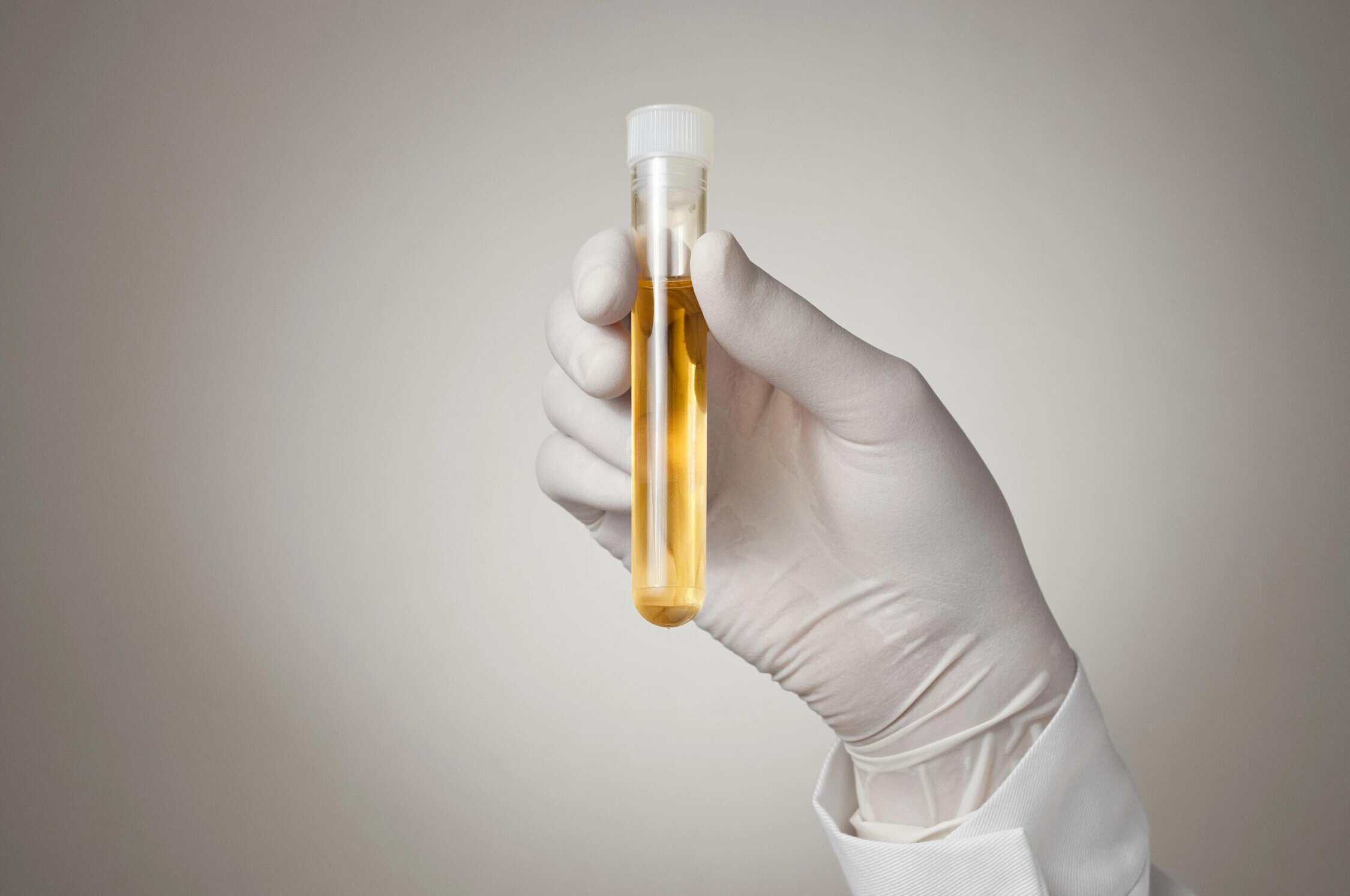
If you are facing a cocaine urine test and trying to understand your detection window, the first thing to know is that the test is not looking for cocaine at all. It is looking for benzoylecgonine, the metabolite the body produces when it breaks cocaine down. How long does benzoylecgonine stay in urine varies based on usage frequency, organ health, and several other biological factors covered in detail below.
What is benzoylecgonine?
When you or someone you care about is facing a drug screening, the medical terms can feel overwhelming. Let us break down what these complex words actually mean. When a person uses cocaine, their body treats it as a chemical that must be cleared out immediately. The human body is highly efficient at this clearing process. The liver acts as the main filter to break down the drug into new, leftover substances. These leftover substances are called metabolites.
Benzoylecgonine is the major metabolite formed when the body processes cocaine. In fact, research shows that about 40 to 45% of cocaine hydrolyzes to form benzoylecgonine. To hydrolyze simply means to break down through a chemical reaction with water in the body.
Because cocaine itself clears the system within hours, standard cocaine addiction treatment screenings and workplace drug panels do not test for the active drug. They test for benzoylecgonine instead, because it remains detectable in urine long after the parent drug has disappeared. A detailed study on benzoylecgonine half-lives and detection windows confirms that testing for this compound is highly reliable.
A very common question is whether other substances can cause you to test positive for cocaine. The answer is generally no. A benzoylecgonine drug test is highly specific to cocaine processing. Routine medications or household foods will not trigger a false positive for this specific metabolite. Understanding how your body works is a helpful way to feel less anxious about drug screening.
How long does benzoylecgonine stay in urine?
If you are wondering exactly how long does benzoylecgonine stay in urine, the timeline depends heavily on your usage habits. Every person processes chemicals at a slightly different speed. However, clinical research gives us very clear estimates. Your detection window is directly tied to how often and how much of the substance was used.
For the most accurate answers, we look at authoritative data. State health departments and federal guidelines provide reliable average detection times for drugs of abuse. Based on these clinical benchmarks, here is how long you can expect benzoylecgonine to remain detectable in urine samples:
- Occasional user: For a single or infrequent use, benzoylecgonine is typically detectable for 2 to 4 days.
- Regular user: For people who use the substance multiple times a week, the detection time extends up to 7 days.
- Heavy or chronic user: For daily or heavy use, the metabolite can be detected for 10 to 14 days, and sometimes even longer.
Urine tests offer the longest detection windows by far. In contrast, blood and saliva tests usually only detect cocaine usage for 1 to 2 days. Blood tests look for the active drug rather than the metabolite. Because the active drug vanishes rapidly, urine tests remain the trusted standard for identifying recent use.
Understanding these cocaine use timelines can bring a sense of clarity. If you are a heavy user facing a long detection window, this might be a sign that your body is struggling to keep up. It is important to remember that these long windows happen because the drug builds up in your tissues over time.
Benzoylecgonine half life and how metabolism works
To understand drug testing, it helps to know how a benzoylecgonine half life works. The term half-life simply refers to the amount of time it takes for half of a substance to leave your body. It is a biological timer for metabolism.
Cocaine metabolizes very quickly. The half-life of active cocaine in urine is only about 4.1 hours. However, benzoylecgonine has a much longer half-life, averaging around 12 hours. This stark difference explains the extended detection window for metabolites.
The role of the liver and kidneys
The liver breaks cocaine down into its metabolites, and the kidneys then filter those metabolites out of the blood and into urine. When both organs are functioning well, this process moves at a predictable pace. Chronic cocaine use places significant strain on both organs over time, and impaired liver or kidney function slows the clearance process, extending the detection window beyond the standard estimates.
Mixing cocaine and alcohol: what is cocaethylene?
Many people consume alcohol while using cocaine. Mixing cocaine and alcohol produces a distinct, highly toxic metabolite called cocaethylene. The liver creates this chemical only when both alcohol and cocaine are present in the blood at the same time.
Does cocaine stay in your system longer if it is combined with alcohol? Yes, it absolutely does. Alcohol changes how your liver function handles the drug. This combination can increase peak cocaine concentration by 20% and up to 30% in the blood.
Because mixing cocaine alcohol creates cocaethylene, the entire elimination process is delayed. Cocaethylene is much harder for the body to clear. This means drug tests can remain positive for even longer. It also places intense, dangerous stress on your heart and liver.
Factors that affect how long benzoylecgonine stays in urine
It’s crucial to remember that the timelines provided are only estimates. Every human body is different. Individual bodies clear benzoylecgonine at different rates depending on various health factors. Drug testers know that no two people will metabolize substances at the exact same speed.
Your lifestyle, your physical health, and your history with the drug all play a role. To help make sense of this, we have broken down the primary biological factors impacting the drug test below.
| Influencing factor | How it affects benzoylecgonine | Impact on urine test |
|---|---|---|
| Hydration levels | Water helps kidneys filter waste. Dehydration slows this natural process down. | Concentrated urine holds metabolites longer, extending detection. |
| Liver & kidney health | Healthy organs process chemicals faster. Impaired organs struggle to clear toxins. | Poor organ health significantly lengthens the positive test window. |
| Co-use with alcohol | Forces the liver to create cocaethylene instead of standard metabolites. | Delays the entire clearance process, extending the detection time. |
| Dosage & purity | Higher doses mean more total chemicals for the body to process and remove. | Larger amounts of the drug create longer detection periods. |
| Body mass & metabolic rate | Metabolites can store themselves in fatty tissues over time. | Higher body fat or slow metabolism can cause lingering trace amounts. |
You may have heard myths about drinking excessive water or using special drinks to flush your system. We want to dispel those myths right now. You cannot simply wash a drug out of your body.
Natural liver and kidney function simply takes time. There are no quick fixes to beat a test. When you build up a tolerance and use heavily, it impacts your liver function. The only guaranteed way to test negative is to give your body the proper time and care it needs to heal completely.
Benzoylecgonine drug test thresholds
When a laboratory processes a urine sample, it measures benzoylecgonine in nanograms per milliliter, abbreviated as ng/mL. A standard occupational drug panel following federal guidelines uses a 150 ng/mL initial screening cut-off. If that threshold is exceeded, a confirmatory test is run at a 100 ng/mL cut-off to verify the result.
High sensitivity testing
Advanced clinical urine tests can detect benzoylecgonine at levels as low as 5 ng/mL. At this sensitivity threshold, trace amounts that would read negative on a standard panel become detectable. This means the compound can technically be present in the body for weeks after heavy use, even when standard tests return a negative result. The practical implication is that the body continues processing cocaine long after any visible effects have passed.
When to seek help for cocaine use in Kentucky
Worrying about a drug test is incredibly stressful. However, searching for information on detection times is often a critical turning point for many people. If you find yourself constantly calculating how long drugs stay in your system, it might be time to step back. This moment of anxiety can actually become the first step toward a healthier life.
There are highly effective treatment options available right here at home. Programs typically start with medically supervised detox to keep you safe and comfortable. After detox, Medication-Assisted Treatment is a proven option for co-occurring opioid and stimulant use. Exploring Kentucky detox options can help you safely navigate the physical challenges of early recovery.
Cocaine addiction doesn’t have to rule your life
Seeking help for substance use is a brave choice. You do not have to figure out the next steps by yourself, and you do not have to live in fear of the next drug test. If you or a loved one lives in Kentucky, Kentucky Addiction Treatment is ready to support your family. Contact us today to discuss your specific needs in total privacy. Call us at (888) 771-8718 to learn about available care options and Medicaid coverage in your area. We will help you build a practical, secure plan for your physical health and long-term well-being.
FAQ
Benzoylecgonine, the primary metabolite created during cocaine metabolism, can typically stay in urine for 2 to 4 days after cocaine use in occasional users. However, repeated cocaine use, higher doses, chronic users, and heavy users may have a longer detection window where cocaine metabolites remain detectable for up to two weeks. Several factors like liver function, body composition, hydration, cocaine dependence, and drinking alcohol can affect how long benzoylecgonine stays in urine and whether someone may test positive on a urine test.
Most cocaine drug tests are designed to detect cocaine metabolites like benzoylecgonine rather than cocaine itself because cocaine has a relatively short half life. The fast acting stimulant effects of cocaine may wear off within only a few hours, but metabolites remain detectable in urine samples much longer. This makes benzoylecgonine a more reliable marker during cocaine detection and drug screening. Urine drug tests are the most common method used because they provide a wider detection window than many blood and saliva tests.
Several factors can influence how long cocaine stays in your system including frequency of cocaine use, crack cocaine versus cocaine hydrochloride use, body metabolism, liver function, overall health, hydration, and whether other substances like alcohol were used at the same time. Repeated cocaine exposure and higher doses often lead to a longer half life for cocaine metabolites. Heavy users and chronic users may continue producing positive results long after the immediate cocaine’s effects wear off because metabolites like ecgonine methyl ester and benzoylecgonine stay in urine longer.
False positive results on a cocaine drug test are uncommon but possible in rare situations. Because confirmatory testing is usually performed after an initial positive drug screen, laboratories can often distinguish between true cocaine use and other substances. Modern testing methods are highly accurate at detecting cocaine metabolites. If someone believes a positive result is incorrect, confirmatory testing through advanced lab analysis can help clarify the results and rule out testing errors or contamination.
Treatment programs for cocaine addiction often include addiction treatment, therapy, behavioral support, and mental health services administration resources that address both substance abuse and mental health concerns. People struggling with cocaine abuse or cocaine dependence may experience cocaine withdrawal symptoms like depression, anxiety, exhaustion, cravings, and emotional instability. Addiction treatment programs can help individuals safely manage withdrawal symptoms, address the negative consequences of drug abuse, and build healthier coping strategies for long term recovery and improved mental health.
Sources
- U.S. National Library of Medicine. (March 3, 2017). A sensitive assay for urinary cocaine metabolite benzoylecgonine shows more positive results and longer half-lives than those using traditional cut-offs. PMC.
- University of Rochester Medical Center. (n.d.). Cocaine Screen. University of Rochester Medical Center.
- U.S. National Library of Medicine. (n.d.). Cocaine and Metabolites Urinary Excretion after Controlled Smoked Administration. PMC.
- U.S. National Library of Medicine. (June 9, 2016). Metabolic Enzymes of Cocaine Metabolite Benzoylecgonine. PMC.
- U.S. National Library of Medicine. (April 13, 2022). Cocaine: An Updated Overview on Chemistry, Detection, Biokinetics and Pharmacotoxicological Aspects. PMC.
- U.S. Food and Drug Administration. (n.d.). K023626 B. Analyte: Cocaine. U.S. Food and Drug Administration.
- State of Maine Department of Public Safety. (n.d.). Drug Detection Times in Blood, Oral Fluid, & Urine. State of Maine Department of Public Safety.
- U.S. National Library of Medicine. (April 30, 2004). Detection times of drugs of abuse in blood, urine, and oral fluid. PubMed.
- Cornell Law School. (n.d.). 49 CFR § 40.85 – What are the cutoff concentrations for urine drug tests?. Cornell Law School.
- U.S. Food and Drug Administration. (n.d.). REVIEW MEMORANDUM. U.S. Food and Drug Administration.
- Centers for Disease Control and Prevention. (n.d.). Diagnostic Sensitivity and Specificity: for Clinical Laboratory Testing. Centers for Disease Control and Prevention.
- U.S. National Library of Medicine. (May 16, 2021). Sensitivity, Specificity, Positive Predictive Value, and Negative Predictive Value. PMC.
- U.S. National Library of Medicine. (n.d.). Understanding and using sensitivity, specificity and predictive values. PMC.
- U.S. National Library of Medicine. (November 9, 1996). Simplified quantitation of urinary benzoylecgonine in cocaine addicts using micro precipitation cartridge extraction and high performance liquid chromatography. PubMed.
- Johns Hopkins University. (n.d.). Elimination of cocaine and metabolites in plasma, saliva, and urine following controlled intravenous cocaine administration to humans. Johns Hopkins University.
- U.S. National Library of Medicine. (January 1, 1996). Cocaethylene is as cardiotoxic as cocaine but is less toxic than cocaine plus alcohol in a canine model. PubMed.
- U.S. National Library of Medicine. (August 27, 2012). The effects of exercise on cocaine self-administration, food-maintained responding, and locomotor activity in female rats. PMC.
- Commonwealth of Kentucky Cabinet for Health and Family Services. (September 28, 2025). Behavioral Health and Substance Use Disorder. Commonwealth of Kentucky Cabinet for Health and Family Services.
- University of Kentucky. (December 11, 2017). Medication Assisted Treatment is Option for Opioid Use Disorder. University of Kentucky.